Damien O’Connor Criticises Budget 2026 as ‘Miserable’ for Rural New Zealand
A miserable budget that didn’t deliver much for anyone.
 increase font size
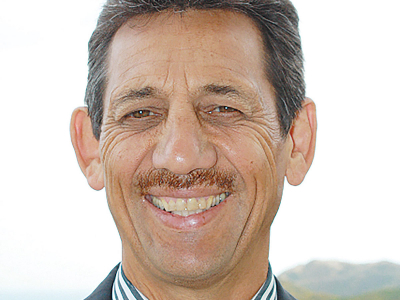 Ahuwhenua Trophy committee chair Kingi Smiler.
Two farms from the North Island east coast and one from Central Hawkes Bay are the finalists in this year’s Ahuwhenua competition for the top Māori sheep and beef farm.
This year’s finalists are Whangara Farms located 35km north of Gisborne; Te Awahohonu Forest Trust; Gwavas Station at Tikokino, 50km west of Hastings; and Kiriroa Station at Motu, 70km north west of Gisborne. Peter Burke gives a rundown on each.
The finalists were announced by Agriculture Minister Damien O’Connor at a function at Parliament attended by politicians and agribusiness leaders from NZ-wide.
The Ahuwhenua Trophy is the leading award for excellence in Māori farming, inaugurated in 1933 by the Māori leader Sir Apirana Ngata and Governor-General Lord Bledisloe.
The objective was and still is to encourage Māori farmers to improve their land and overall farming position as kaitiaki.
On a three year rotation, the trophy is competed for by Māori farmers in the sheep and beef, horticulture and dairy sectors.
The chair of the Ahuwhenua Trophy management committee, Kingi Smiler, says the high calibre of this year’s finalists shows the strength of the Māori agribusiness sector. Selecting the three finalists from an impressive field of entrants was no easy task, he said.
“This competition is prestigious and people actively seek to enter this event to showcase the quality of their farming enterprises. What makes Māori sheep and beef farms so special is that in most cases they are in remote hill country areas which in itself makes farming operations challenging throughout the year, but especially in times of adverse events.”
Smiler says the resilience and innovation shown by these people is an example to all New Zealanders that hard work coupled with clear strategic objectives and excellent farm management can produce outstanding outcomes.
He says over the years the Māori agribusiness sector has grown exponentially, not only in sheep and beef, but also in dairy and horticulture. Māori are rapidly moving into the value-add space to increase returns from their assets.
Excellence celebrated
Damien O'Connor says this year’s finalists are at the top of the game and provide the inspiration and example for others to get out and do better and grow the economy of NZ.
“We have to encourage excellence and better performance – right across agriculture and horticulture,” he says. “We have a few challenges in the areas of training, but this government is committed to provide better opportunities for young people – Maori and others – to get into agriculture.”
O’Connor couldn’t resist a comment on the capital gains tax controversy saying it’s nice to be involved in a sector in the agricultural industry that doesn’t rely on capital gains to benefit its people.
“I acknowledge the progress that has been made in Maori farming where you don’t rely on the purchase and sale of land to generate benefits and long may that continue.”
Originally, O’Connor wasn’t scheduled to be present at the announcement of the finalists. He had planned to be in Egypt for trade talks, but with further discoveries of fruit fly in Auckland, he decided to cut short his trip and return to NZ.
Field days will held at the three finalists’ farms in April and the winner will be announced at the awards dinner in Gisborne at the end of May.
A miserable budget that didn’t deliver much for anyone.
National's decision to ‘dribble’ information about the NZ/India to Labour contributed to the delay in it deciding to supported the FTA.
One of the country's top Māori farms has been badly damaged by a severe isolated thunderstorm which hit parts of the east coast of Northland last week.
When it comes to international trade, politicians from all sides of the aisle are united, says Labour's trade spokesman Damien O'Connor.
Coby Warmington, 29, a farm manager at Waima Topu Beef near Hokianga was named at the winner of the 2025 Ahuwhenua Young Maori Farmer Award for sheep and beef.


Alliance is calling for final applications for its 2027 Graduate Programme, with applications closing on Sunday 25 October.
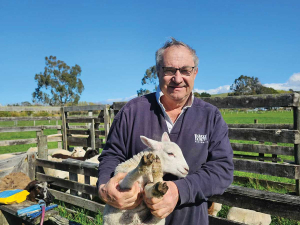
Decades piloting planes has ensured vet and farmer David Hayes is focused on safety. So, after a serious accident while welding on farm, he is sharing his experience so others can learn from it.
Canterbury milk processor, Synlait Milk has confirmed Leon Fung as its chief executive officer.
OPINION: Making it easier to collect rainwater and use it to grow crops and livestock is a no brainer.
As part of its Election 2026 coverage, Rural News asked political parties how they would help pull the arable sector out of the doldrums. Here's what they said:
Farmers are being encouraged to rethink how they manage waste on farm with the launch of ruralwastesorted.co.nz, a new website bringing together practical tips, real farmer experiences and resources.