Final call for Alliance’s 2027 Graduate Programme
Alliance is calling for final applications for its 2027 Graduate Programme, with applications closing on Sunday 25 October.
 increase font size
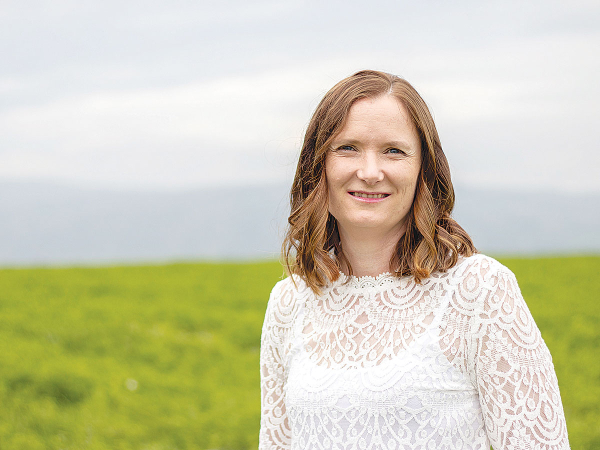 Paige Wills
OPINION: Silver Fern Farms is at a crossroads.
On one hand, they tout New Zealand’s clean, green farming image – a unique and market-leading story built on the backs of farmers who have spent decades pioneering sustainable practices.
On the other hand, they seem intent on pushing us toward unproven biotech solutions to satisfy corporate buyers’ fixation on Scope 3 emissions. The two approaches are fundamentally incompatible, and it’s time for SFF to decide where their priorities lie.
Let’s start with what we’re already doing. New Zealand farmers are the most efficient in the world. Full stop. We have already drastically reduced stock numbers, and our emissions profile is decreasing at an alarming rate. Yet, instead of promoting the hell out of this incredible achievement to global consumers and buyers, SFF are pandering to big corporates obsessed with arbitrary emissions reduction targets. This is a cowardly and short-sighted strategy.
At the recent SFF Supplier Roadshow in Kurow, this disconnect was on full display. While SFF proudly flaunted Tesco’s 39% emissions reduction demands as their aspiration, they failed to address the bigger question: Why aren’t they educating these buyers about what we’re already doing? Why not show the Tesco’s and the Whole Foods of the world that New Zealand’s ruminant methane emissions are a stable, short-lived gas that isn’t the climate villain it’s made out to be? Why not tell the world that, per kilogram of meat or litre of milk, New Zealand farmers are unmatched in efficiency and sustainability?
Instead, they’re steering us towards biotech tools like methane-reducing boluses and feed additives—unnatural, costly products that disrupt an animal’s natural processes. I won’t sacrifice my animals or my farm for virtue signalling and I doubt any farmer would.
At Kurow, I challenged Anna Nelson, SFF’s incoming chair, on the push for boluses and feed additives. She compared them to vaccines and drenches, but that doesn’t hold up. Those are sparingly used to protect animal welfare, not to interfere with natural processes.
Despite me telling her bluntly: “If these products became mandatory for premiums, I might buy them, but they’d sit unused in the shed”. Clearly she’d never considered that’s how farmers might feel. That’s how absurd this is; they wouldn’t even know if they were used or not! SFF’s focus on appeasing buyers instead of standing up for farmers was obvious to everyone in that room.
It’s hard to pin down exactly how much SFF has poured into Agrizero, the JV partnership tasked with reducing biogenic methane, but make no mistake, it’s a multimillion- dollar investment from our co-op. But, before another dollar is spent, we need a serious, open conversation about how much warming New Zealand’s ruminants are contributing. Science shows our methane emissions are already on a clear downward trajectory, yet SFF is charging ahead with unproven, costly technologies that risk undermining everything that makes our farming unique.
Of course, if we don’t go down the biotech road, the only other option is land-use change – increasing forestry in perpetuity. This is a disaster waiting to happen. Every hectare lost to pines is another family farm gone forever. It’s a future where my children, and yours, might not have the opportunity to farm, let alone do so profitably. We cannot afford to lose more land to forestry, especially when it’s being done to meet flawed targets dictated by buyers thousands of miles away who don’t understand our land, our animals, or our way of farming.
SFF must stop pandering to Scope 3 demands and start doubling down on the story that sets us apart. Our low-input, natural, pasture-raised protein is what consumers want. Why are we risking this incredible point of difference by chasing unattainable 39% emissions reduction targets and trying to shoehorn risky biotech solutions into farming systems that don’t need fixing? It’s a betrayal of the farmers who are their brand, their shareholders and a betrayal of NZ agriculture.
Let’s be clear, this is about more than premiums or buyer demands. It’s about integrity – standing behind the farmers who built New Zealand’s farming reputation and are leading the world with the science and sustainability we’re already achieving.
SFF need to decide: Are they here to promote NZ farmed meat or pacify corporates?
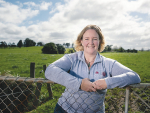
Paige Wills is a sheep and deer farmer in the Waitaki Valley
Alliance is calling for final applications for its 2027 Graduate Programme, with applications closing on Sunday 25 October.
OPINION: Most farmers know which company collects their milk, processes their meat, supplies their fertiliser or lends them money. But how many know that many of those same companies are investing hundreds of millions in technologies designed to intervene in the natural digestive process of our animals? Did anyone ask farmers whether this is the future they want?
OPINION: There could hardly be a more appropriate theme for a conference than the one chosen by the red meat sector - Navigating Volatility.
New Zealand's red meat and fifth-quarter exports reached $867 million in August, up 23% on the same month last year, as stronger returns lifted earnings across all major markets.
Meat Industry Association data, released alongside the Red Meat Sector conference in Wellington, shows export value climbing across the US, China, UK and Canada.

Federated Farmers has welcomed new rural policies released by ACT, saying they align closely with its own election priorities.
Rural Contractors NZ says proposed changes to land transport rules for agricultural vehicles are a welcome response by the Government to out of date regulations which have seen members hit with huge fines.
Alliance is calling for final applications for its 2027 Graduate Programme, with applications closing on Sunday 25 October.
Decades piloting planes has ensured vet and farmer David Hayes is focused on safety. So, after a serious accident while welding on farm, he is sharing his experience so others can learn from it.
Canterbury milk processor, Synlait Milk has confirmed Leon Fung as its chief executive officer.
OPINION: Making it easier to collect rainwater and use it to grow crops and livestock is a no brainer.