Fonterra Elections 2026: Voting Opens Tuesday 20 October
Fonterra shareholders can begin voting on Tuesday 20 October in the 2026 Board of Directors’ election, a Co-operative Council election in one Ward, and seven Annual Meeting resolutions.
 increase font size

Fonterra has copped a fair bit of stick from the Hound over the years. However, on this occasionyour old mate would like to give the dairy co-op some well-deserved praise.
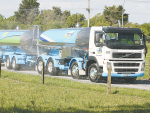
It has changed a tanker collection time so that 35-year-old Andrew Oliver (one of about eight people in the world living with Fryns-Aftimos syndrome) can keep to his nightly routine of watching the tanker collect his dad Ken’s milk before going to bed at a decent time.
Apparently, Andrew, whose mental age is about six, would not go to bed until the milk tanker had been -- a problem when the collection time was 2am.
However, after his dad phoned Fonterra’s call centre to explain the family’s problem, the co-op decided to change its entire milk tanker schedule in the Te Rapa district to oblige.
Fonterra shareholders can begin voting on Tuesday 20 October in the 2026 Board of Directors’ election, a Co-operative Council election in one Ward, and seven Annual Meeting resolutions.

Fonterra Co-operative Group chief financial officer Andrew Murray has resigned to take up a role outside the dairy giant.
Four candidates have been confirmed for two director positions on Fonterra’s board.
A record farmgate milk price and strong global demand is laying the foundation for continued growth of organic dairy farming in New Zealand.
Waikato milk processor Tatua has again declared a record milk payout to farmer shareholders, leaving other processors in the dust.


Federated Farmers has welcomed new rural policies released by ACT, saying they align closely with its own election priorities.
Rural Contractors NZ says proposed changes to land transport rules for agricultural vehicles are a welcome response by the Government to out of date regulations which have seen members hit with huge fines.
Alliance is calling for final applications for its 2027 Graduate Programme, with applications closing on Sunday 25 October.
Decades piloting planes has ensured vet and farmer David Hayes is focused on safety. So, after a serious accident while welding on farm, he is sharing his experience so others can learn from it.
Canterbury milk processor, Synlait Milk has confirmed Leon Fung as its chief executive officer.
OPINION: Making it easier to collect rainwater and use it to grow crops and livestock is a no brainer.