New Arable Chair Calls for Profitable Farming Sector
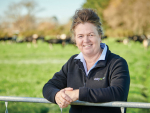
The arable industry needs profitablity, so it doesn't disappear, says newly elected Federated Farmers Arable Industry Group chair, Chris Dillon.
 increase font size

OPINION: Spare a thought for the arable farmer, squeezed on one side by soft global prices and on the other by limits on further yield increases.
Profitability issues facing arable farmers are the same across the world, says NZ Special Agricultural Trade Envoy Hamish Marr, an arable farmer himself.
The arable industry is facing "the perfect storm", the main issue being gross margin.
"There is simply not enough money being generated."
Yield has the biggest positive influence on cost of production and this needs to increase to produce more on less land. Hence some growers are considering dairy, hort or sheep as alternatives.
He also reckons the sector needs better advocacy in Wellington: "Onions NZ have a $200 million export market and have several people in Wellington, and they brief me before trade delegations. No one rings me from arable."
The arable industry needs profitablity, so it doesn't disappear, says newly elected Federated Farmers Arable Industry Group chair, Chris Dillon.
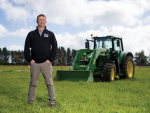
Some arable farmers are getting out of arable and converting to dairy in the faced of soaring fuel and fertiliser prices on top of a very poor growing season.
OPINION: Your old mate reckons townie Brooke van Velden, the Minister of Workplace (or is it Woke Place) Relations is now showing how underemployed she is as a minister by initiating an investigation into whether young children should be banned from collecting eggs on farms and feeding animals.
OPINION: There's an infamous term coined by a US general during the Vietnam war, specifically in reference to the battle of Ben Tre: "We had to burn the village to save it."
OPINION: The sudden departure of Jim Ward, manager of Molesworth Station for 24 years, highlighted some major dysfunction in the way conservation estate is managed in this country - the biggest problem, as the Hound sees it, being idealogues who harp on about "taonga" and use all means possible to block sensible commercial operations on conservation land.

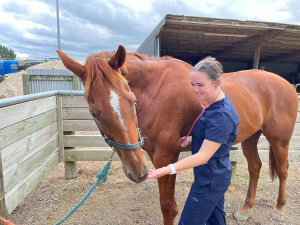
Tayla Steele is in her fourth year of a Bachelor of Veterinary Science at Massey University in Palmerston North.

The Ministry for Primary Industries (MPI) says no new cases of H5 bird flu have been detected following a case found earlier this week.
Two months after unveiling a major upgrade to its beef product, Halter says its farmers are on track for major production gains and additional grass growth.
New Zealanders are being urged to be alert following a confirmed positive case of H5 bird flu this week.
With a third of NZ dairy farmers still running outdated refrigerants, the country's largest farm refrigeration company says the opportunity for quick, meaningful emissions gains has never been clearer.
OPINION: Farmers are being put on notice by the Green Party.