
'Regulatory Middlemen'
OPINION: Groundswell's opinion of the incumbent farm industry representatives isn't high.
 increase font size
OPINION: Your old mate reckons the farmer protests recently held in Holland makes the chaps at Groundswell look like saints.
In early July, Dutch farmers took to the highways and byways around Holland, blocking supermarkets, distribution centres and roads in response to its government's plans to cut nitrogen emissions.
It even led to police firing shots at the tractor-riding farmers.
Dutch farmers were protesting plans to slash fertiliser use and reduce livestock numbers, which may force some farms to shut down (sound familiar?).
The Dutch government says it wants to reduce livestock emissions of nitrogen oxide and ammonia by 2030 by 70% in some areas.
Imagine how the bedwetters - lefty, social media supporters of our govt - would have reacted if this protest had happened here.
They got their knickers in a twist over a couple of signs criticising the PM!
OPINION: Groundswell's opinion of the incumbent farm industry representatives isn't high.
OPINION: The same mainstream media muppets that brought you Jacindamania in 2017 have been flat out pimping for the Opportunities Party, labelled by some as the 'LinkedIn Greens' for their corporate spin on Green-esque 'tax the rich' policies.
OPINION: Your old mate reckons the atrocious way farmers in the UK are treated by their lords and masters in Westminster is a salient warning for us.
OPINION: Proponents of regenerative agriculture tend to be naturally aligned with a 'green mindset', so they will be nonplussed with their new mates in the US of A.
OPINION: Mike Chapman, former chief executive of levy-funded HortNZ, has thrown out a challenge to farmers and growers to put their levy-funded industry organisations under the same scrutiny as fertiliser, electricity, labour and freight.


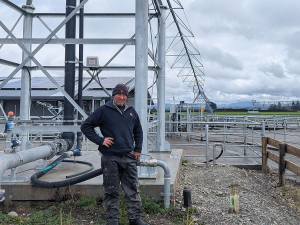
Converting a longstanding cropping farm to dairy was the only way to ensure the land stayed in the family long term, says new dairy farmer Rod May.

As the election heats up, Organics Aotearoa New Zealand (OANZ) has launched its election scorecard designed to help voters wanting to support policies that grow organic and New Zealand's organic sector.
A 'tsunami' of milk from key exporting countries is winding down and this may be good news for New Zealand dairy farmers.
Will the good times last? That's one of the key issues to come out of the latest Federated Farmers confidence survey.
Outgoing Fonterra Co-operative Council chair John Stevenson says that it has been a privilege to represent the co-op's farmer shareholders.
Have a plan in place for your cows and staff.




