Red Meat Farmers Welcome Labour's Emissions Pricing Pledge
Red meat farmers are welcoming Labour’s plan to review the Emissions Trading Scheme and not to campaign on pricing agricultural emissions.
 increase font size
OPINION: Meanwhile, red blooded Northland politician Matua Shane Jones has provided one of the most telling quotes of the year thus far.
Replacing his mining hard-hat with his Fisheries Minister hat, Jones has beat a quick political retreat after being blindsided by the backlash from the recreational fishing community after proposing to let commercial operators land and sell dead marlin bycatch.
Reminding us that it is election year, Jones was surprisingly honest about it: “A good politician has to know how to pivot” adding “The reality is that we’ve got to prioritise our efforts in an election year”.
The lesson here for the farming community is that, in election year, politicians are very susceptible to a bit of arm twisting, or negative publicity that might cost them a few votes and risk tipping them out of the trough when the public heads to the polls!
Red meat farmers are welcoming Labour’s plan to review the Emissions Trading Scheme and not to campaign on pricing agricultural emissions.

For the first time in a quarter of a century, Federated Farmers has something positive to say about the Labour Party’s climate change policy leading into a general election.
OPINION: Get offside with New Zealand First leader Winston Peters at your own peril.
OPINION: Being a stock manager of a Government MP's farm can come in handy.
Election years are always a concerning time for farmers, according to DairyNZ chair Tracy Brown.


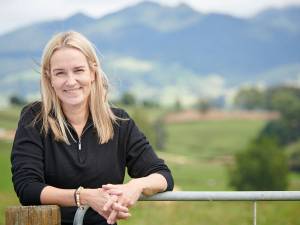
Minister of Conservation Hon Tama Potaka has appointed Susan O'Regan as Chair of the Queen Elizabeth II National Trust (QEII) for a three-year term.
Red meat farmers are welcoming Labour’s plan to review the Emissions Trading Scheme and not to campaign on pricing agricultural emissions.
Where any worker in the kiwifruit industry is mistreated, we expect the authorities to take action.
Mid Canterbury Federated Farmers arable chair, Bevan Lill, said Beef + Lamb NZ data indicated that for the last six years, the average arable return on investment was about 0.8% while inflation ran about 4% - so the average arable farm was going backwards at about 3% a year.
Seed and grain companies share the concerns of arable farmers about the viability of their sector, says Seed and Grain New Zealand chief executive Dr Sarah Clark.
The New Zealand Institute of Forestry (NZIF) says unnecessary changes to New Zealand’s Emissions Trading Scheme (NZ ETS) will seriously erode investor confidence and result in significant reductions in forest planting rates.