
Sheep & Beef Farm Conversion to Forestry Slows, Risk Remains
Conversions of sheep and beef farms to forestry have slowed, however new research from Beef + Lamb New Zealand (B+LNZ) suggests land of value for food production remains at risk.
 increase font size

OPINION: There is huge concern in rural communities around NZ about good sheep and beef farmland being bought by - mainly overseas-owned - carbon farming concerns.
Blame for this disaster can be fairly and squarely sheeted home to the current Government.
It has allowed an anomaly in law that bans overseas owners from buying land in this country for farming purposes, but at the same time allows foreignt investors to buy swathes of farmland to be planted in pine forests that will never be harvested and be used to offset their carbon emissions.
You can't blame farmers for selling their farms and taking the highest price, which inevitably is coming from carbon forest investors.
However, this is not just limited to Joe-average farmers.
The Hound understands a high profile farmer - with a number of directorships in farming companies recently sold out to carbon interests.
If industry leaders are are doing this, what chance for the rest of us?
Conversions of sheep and beef farms to forestry have slowed, however new research from Beef + Lamb New Zealand (B+LNZ) suggests land of value for food production remains at risk.

OPINION: The same mainstream media muppets that brought you Jacindamania in 2017 have been flat out pimping for the Opportunities Party, labelled by some as the 'LinkedIn Greens' for their corporate spin on Green-esque 'tax the rich' policies.
OPINION: Your old mate reckons the atrocious way farmers in the UK are treated by their lords and masters in Westminster is a salient warning for us.
OPINION: Proponents of regenerative agriculture tend to be naturally aligned with a 'green mindset', so they will be nonplussed with their new mates in the US of A.
OPINION: Mike Chapman, former chief executive of levy-funded HortNZ, has thrown out a challenge to farmers and growers to put their levy-funded industry organisations under the same scrutiny as fertiliser, electricity, labour and freight.


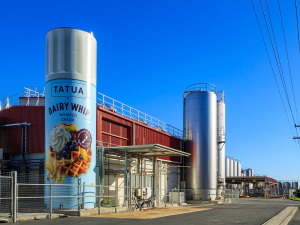
Waikato milk processor Tatua has again declared a record milk payout to farmer shareholders, leaving other processors in the dust.

A Labour-led Government won’t be bringing back the controversial freshwater rules of 2020.
National’s much-touted free trade deal with India featured in the Rural Issues Debate at Mystery Creek, Hamilton on Wednesday night.
New Zealand's 2026-27 freshwater fishing season has opened, with anglers encouraged to head to rivers and lakes over the coming days as conditions look favourable across much of the country.
Central Otago District Council (CODC) has voted against a plan to spread treated sewage sludge from Cromwell and Alexandra on farmland near Lauder, a decision Federated Farmers says reflects strong opposition from rural residents.
Pāmu has released its FY26 Integrated Annual Report, reporting a Net Operating Profit of $113 million, more than double the $49 million recorded in FY25.