Combined voice
The two associations representing NZ's crop protection and animal health industries will merge this month.
 increase font size
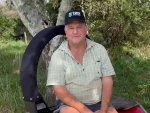
 Mark Ross.
OPINION: A culture of trepidation about consuming foods which have been exposed to pesticides is misleading and has sparked much confusion of late.
To abate the concerns, an analysis of the process for getting products to market can reassure consumers that our most nutritious foods -- fruits, vegetables and grains -- are safe to eat.
This is reflected in the decade-long process which includes 11 years of research and hundreds of millions of dollars.
At the start of the process, chemicals are tested for their effects on people and the environment. This testing is agreed at the Organisation for Economic Cooperation and Development (OECD) level. Regulators from OECD countries -- including New Zealand -- participate in designing, validating and issuing guidelines.
The OECD has ten guidelines to assess the properties of crop protection products. This includes testing the efficacy of a molecule against the target pest or disease, its residue levels in plants and animals, and how the active ingredient breaks down in plants and livestock. New molecules undergo over 150 safety studies. For testing, concentrations are much higher than real world exposure.
Internationally agreed test methods cover effects on health, biotic systems and the environment. These are continuously revised with the latest scientific knowledge, practices and techniques.
The safety tests can be thought of as an array of ‘gates’ or hurdles which a candidate molecule must pass.
Some gates can be seen as critical pass/fail hurdles, others as alerts for further investigation. If a molecule is found to directly damage DNA, for example, then industry practice is to drop it, even if it demonstrates extraordinary levels of efficacy.
The test guidelines are continuously revised according to new knowledge, technologies and practices.
The rigour of the safety testing regime becomes more and more stringent. As a result, the number of molecules that need screening and the time it takes to find a suitable candidate are increasing rapidly. According to CropLife, it now takes 11 years and NZ$400 million to bring a single crop protection product to market.
On top of this, regulators, importers and even supermarkets test produce for residues, ensuring they meet very strict guidelines, well below any potential risk to people or the environment.
Legitimate crop protection manufacturers recognise that science leaves no stone unturned to ensure the safety of our environment, health and ecosystem from pesticides.
So, consumers can benefit from the nutrition of fruit, vegetables and grains at a reasonable cost, with the assurance that the products used to keep them pest free are stringently and continuously monitored.
• Mark Ross is chief executive of Agcarm, the industry association for companies which manufacture and distribute crop protection and animal health products.
The two associations representing NZ's crop protection and animal health industries will merge this month.

OPINION: Ineffective regulation is leading to farmers and growers missing out on products that will increase their productivity and be safer to use.
The industry association for animal health and crop protection companies has appointed a new president.
Animal medicines and crop protection lobby group, Agcarm wants the Government to extend its COVID-19 support to the farming community for maintaining essential food supplies.
OPINION: From weeding and spraying crops to taking care of cattle, digital technology is making its mark on agriculture.


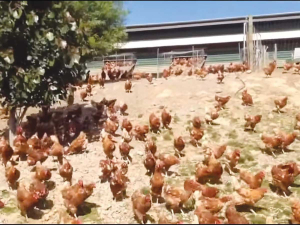
Mainland Poultry has confirmed new ownership of its vertically integrated agribusiness with Pacific Equity Partners Gateway (PEP Gateway) now joining current shareholders Navis.

The recently published State of the Industry -Tractors and Machinery 2025 from the Australian Tractor and Machinery Association (TMA), the equivalent of New Zealand’s TAMA, gives an interesting perspective of the industry.
Strong competition and tightening supply have seen wool reach its highest prices paid at auction since 2011.
The Government is funding a feasibility study to investigate what would be required for a successful farmer-led purchase of the McCain Foods' vegetable processing site in Hastings.
A young man just five years out of his Lincoln University degree already has his foot in the door of farm ownership, as equity manager of a large new dairy conversion now taking shape in Mid- Canterbury.
Visitors to the LIC stand at this year’s Fieldays can expect practical farm conversations, specialist drop-in sessions and exclusive shareholder events.