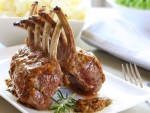
Getting a taste of lamb from consumers
A research project is being launched to examine consumers' appetite for healthier, more nutritious New Zealand lamb and new lamb-based products.
 increase font size
AROUND THE country, sheep farmers are naturally rejoicing at the great prices that they are getting for their lambs – and so they should be.
Just about anything with four legs and can bleat is making money for the farmer.
For many years sheep farmers have had to live with poor prices and this has been reflected in the investment going back into hill country farms. Now the tide has turned, seemingly for the better.
This year for instance, the topdressing industry is climbing on the back of the good lamb prices and the orders for fertiliser are coming in thick and fast. I suspect the field days people will have deals that are too good to be true – just waiting for farmers.
But is this all good news? The answer is yes and no – probably!
While farmers and their leaders argue these kinds of returns are necessary to keep them in business, others in the city are not so happy. The local butcher is now paying about $200 for a lamb from the works and he has to add onto that a margin to make a profit. A leg of lamb that would feed an average family costs close to $70 and for all, but the rich and famous, that's unaffordable.
The vast majority of consumers are turning away from lamb because it is too expensive – not because they don't like it. The worry is that in the long term they will lose the taste for something that New Zealand is famous for.
BLNZ chairman, Mike Petersen was right when he says lamb is becoming like bluff oysters – a luxury food for the wealthy.
The other problem for lamb is that there is a generation of people who don't know how to cook it. A year or so ago, I was asked by a young person to give her the recipe for roasting lamb.
So while it's good to enjoy high lamb now, perhaps greater thought and effort needs to be given by the meat industry to ensure that lamb remains an iconic food for all New Zealanders, not just the wealthy. — Peter Burke
A research project is being launched to examine consumers' appetite for healthier, more nutritious New Zealand lamb and new lamb-based products.
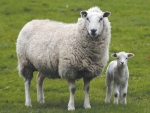
Australian sheep farmers are banking on strong prices lamb in the coming years, but are warning of headwinds.



The primary sector is leading New Zealand's economic recovery, according to economist and researcher Cameron Bagrie.

Dairy industry leader Jim van der Poel didn't make much of the invitation he received to the recent New Zealand Dairy Industry Awards in Rotorua.
Farmers around the country are going public big time, demanding their local district, city and regional councils come up with amalgamation plans that meet the needs of rural communities and don't allow urban councils to dominate.
The battle for the rural vote is on and parties are securing high profile names to try and bolster their chances at the general election.
Horticulture New Zealand says proposed changes to the Plant Variety Rights Act 2022 will drive innovation, investment and long-term productivity.
More than 1200 exhibitors will showcase their products and services at next month’s National Fieldays, with sites nearly sold out.