
No Further H5 Bird Flu Detections in NZ, MPI Confirms
The Ministry for Primary Industries (MPI) says no new cases of H5 bird flu have been detected following a case found earlier this week.
 increase font size
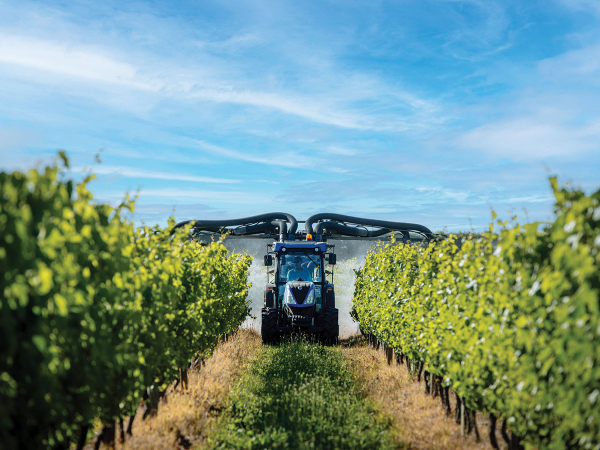 Good management practice in active vineyards can prevent infection by adjacent unmanaged vines.
The New Zealand wine industry continues to feel and see the effects of the changing economic landscape, oversupply, and ongoing market uncertainty.
Growers in many regions are turning to mothballing as a practice that pauses vineyard production and reduces operating costs. This article outlines some important considerations for growers who are thinking about mothballing their blocks or vineyards.
Vine Health
Mothballing is a strategic choice rather than a purely technical one. It requires clear objectives, realistic expectations, and ongoing management. One of the central trade-offs in mothballing is the balance between short-term savings and long-term recovery costs. Reducing labour and capital expenditure on pruning, irrigation or nutrition may suppress vine growth and yield, but excessive neglect can compromise vine structure and health, and delay the return to production.
Having a plan to re-enter is therefore a critical part of the decision-making process. Growers are encouraged to consider how quickly they want – or need – to resume cropping. This decision will need to align with the current state of the vineyard, but conditions are unlikely to be the same site to site.
In many cases, considering basic maintenance is essential: weed control, canopy spraying, irrigation or fertilisers are just some of the necessary choices a grower should consider. Application rates and timing of applications will also influence how much faster and more economical a return to production may be. Overall, the decision to mothball a vineyard can lead to a decline in vine viability in one to two seasons. However, keeping a vineyard in a mothballed state for a longer period will undoubtedly bring about significant costs for a ‘re-entry’ plan.
Pest and Disease Pressure
A mothballed vineyard can present a biosecurity risk if pest, disease and weed pressure is not actively managed. Inadequate spraying or canopy control can allow insects, plant pathogens and viral vectors to build up and spread into neighbouring vineyards. Weeds and unmanaged growth may also harbour pests or restrict access for monitoring and response. Maintaining baseline surveillance, weed control, and targeted pest and disease management helps ensure a mothballed block does not become problematic for neighbouring sites and a source of wider biosecurity risk. It is also important to note however, that research has shown good management practice in active vineyards can prevent infection by adjacent unmanaged vines. Dr Mark Krasnow, from Thoughtful Viticulture, says a well-executed spray programme, with canopy management for sunlight and airflow, as well as properly timed sprays with a well calibrated sprayer, will protect vines, “even under extremely high disease pressure such as next to an unmanaged block”. Clear communication between neighbours and ongoing visibility of management practices are key to preventing issues developing while protecting the vineyard’s assets and the surrounding growing area.
“This is a reality for some people, and the best thing they can do is have a plan,” says Karen Peterson from Thoughtful Viticulture. “Is it long-term or short-term parking? The next most important thing is to keep an eye on the block – it shouldn’t be set and forget. There’s quite a lot of unknowns and variables that can affect the health of your vines and potentially the relationships with your neighbours. Knowing what’s going on will help people better navigate this situation.”
Proceeding with Care
While mothballing can preserve future options, it does not eliminate risk, and poorly executed mothballing may simply defer costs rather than reduce them.
As market volatility becomes a more persistent feature of the wine sector, mothballing vineyards is likely to remain a topic of active discussion. When approached thoughtfully, it can provide growers with time, flexibility, and a measure of control during challenging seasons – while keeping the door open to recovery when conditions improve.
For more information, or if you have any concerns, please contact This email address is being protected from spambots. You need JavaScript enabled to view it.
The Ministry for Primary Industries (MPI) says no new cases of H5 bird flu have been detected following a case found earlier this week.
Biosecurity incursion – yellow legged hornets In Auckland
In the lead up to the introduction of biosecurity requirements into the Sustainable Winegrowing New Zealand programme for vineyard members, there has been a lot of focuws on biosecurity measures for vineyards.
Vaughn Bell on pest management, biosecurity, and some insights into the future of viticulture
Labelled by the European Union as one of the most dangerous plant pathogens in the world, xylella fastidiosa has been slowly spreading around the world since the 1880’s, when it was first noticed causing serious disease in Californian grape crops (Pierce’s disease).


