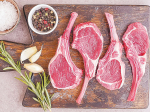
NZ Red Meat Exports Hit $867m in August, Up 23%
New Zealand's red meat and fifth-quarter exports reached $867 million in August, up 23% on the same month last year, as stronger returns lifted earnings across all major markets.
 increase font size
 B+LNZ’s chief economist Andrew Burtt says the fundamentals remain strong for New Zealand sheepmeat and beef exports this year.
Farmers affected by the drought and COVID-19 can take some heart from the latest forecast for sheep and beef exports for the 2019/20 season.
However, there is a prediction that average farm incomes could be down.
Beef + Lamb New Zealand’s (B+LNZ) mid-season economic update shows that beef exports are expected to pass $4 billion for the first time, lifting 18% to $4.6 billion.
At the same time, a lift in the average export value for lamb offset a lower lamb crop in 2019, resulting in a 4% lift in total lamb export receipts to $3.54 billion. Combined exports for beef and lamb for the season is estimated at just under $9 billion.
B+LNZ’s chief economist Andrew Burtt says while the drought and COVID-19 have both had impacts for farmers and meat processors, the fundamentals are looking likely to remain strong for New Zealand sheepmeat and beef exports this year.
“Red meat is expected to remain a key component of many diets and African Swine Fever (ASF) in China continues to drive a shortage of pork, which underpins solid demand for beef and sheepmeat imports there.”
Burtt says shifting market access dynamics have the potential to change the distribution of beef exports this season. He says the US is forecasting a significant lift in beef exports and has gained improved market access to China and Japan, though US exports have currently been significantly impacted by COVID-19 due to the closure of meat processing plants.
“This may increase competitive pressure for NZ beef in some markets but has the potential to create opportunities in others. Brazilian beef has recently regained access to the US market, increasing competition on the US imported beef market.
“However, a significant reduction in Australian sheepmeat and beef production will provide some support for demand for New Zealand red meat in key markets during 2020,” he says.
On the home front, the beef herd grew by nearly 5% to 3.9 million as at 30 June 2019. Sheep numbers were down by 0.8% to 26.7 million.
In terms of farm incomes, B+LNZ says farm profit, before tax and adjusted for inflation, is forecast at $104,400 – down 20% on the 2018/19 season. However, Burtt says this figure was arrived at before the escalation of the COVID crisis.
He notes the uncertainty of the times ahead, but says NZ livestock production and red meat processing sectors continue to deliver products that meet customer needs.
New Zealand's red meat and fifth-quarter exports reached $867 million in August, up 23% on the same month last year, as stronger returns lifted earnings across all major markets.

Meat Industry Association data, released alongside the Red Meat Sector conference in Wellington, shows export value climbing across the US, China, UK and Canada.
OPINION: The stats speak for themselves.
New Zealand exports to the European Union have surged by $3 billion in two years under the New Zealand-European Union Free Trade Agreement.
Matt McRae, a farmer from Mokoreta in Southland who runs a sheep, beef and dairy support business alongside a sheep stud, has been elected to the Beef +Lamb NZ Board as a farmer director.



National’s pledge to introduce 19 new national standards shows the party is serious about getting Wellington out of farming, Federated Farmers says.
The National Party’s policies to make it easier to grow fresh vegetables, secure reliable water and energy and simplify farm planning are practical changes that will give growers the confidence to invest, according to Horticulture New Zealand (HortNZ).
Fonterra Co-operative Group chief financial officer Andrew Murray has resigned to take up a role outside the dairy giant.
A major move is about to get underway to improve the quality and viability of dairy beef and cattle in NZ.
Veterinarians say changes to the code of welfare for dairy cattle provides a positive foundation for improved cattle welfare across the country.
Today, 15 October, is the International Day of Rural Women, which recognises rural women’s contribution to farming, communities and the environment.
