Milk Powder Prices Prop Up Farmgate Milk Price
Milk powder prices are keeping farmgate prices up, helping processors offset the dip in milk fat prices.
 increase font size
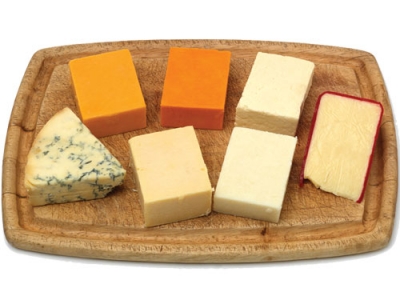 Cheese consumption around the world is rising.
The world's cheese business was worth US$216 billion last year, and in four years should be worth US$237b, says market research company Canadean.
It says the global cheese market is growing strongly, driven by countries such as Brazil, where cheese consumption is expected to triple in the next decade.
However, the top five global brands Kraft, Philadelphia, President, Sargento and Galbani hold only 10% or less market share.
“With rising competition, top [producers] are using unique strategies, such as new product traits and uses, to differentiate themselves from other brands,” says Dhara Badiani, analyst at Canadean.
The rising populace of Brazil, China and India, with more money to spend, buys more processed foods including cheese.
“Pizza, pasta and sandwiches have become more popular in many emerging markets in recent years,” says Badiani.
Simultaneously, modern retail stores and fast food chains are driving retail and on-trade sales of cheese.
“Hypermarkets and supermarkets are the leading retail channels for cheese, offering a wide range including multi-brand, private label and specialty products,” Badiani argues.
The report also finds the Brazilian cheese market one of fastest growing globally. Brazilians ate on average only 3.4kg in 2009, but per capita consumption rose to 5.4kg in 2014 and is expected to reach 8.6kg in 2019.
Brazil, the world’s fifth-largest cheese market by volume, is expected to be third in 2019. This means in five years, or less, Brazilians’ cheese consumption will match that of the French (1.8b kg).
Milk powder prices are keeping farmgate prices up, helping processors offset the dip in milk fat prices.

Chinese beef trade quotas and a looming suspension of Brazilian beef imports into the European Union are expected to reshape global beef trade flows over the remainder of 2026, with implications for New Zealand exporters, according to Rabobank's Q3 Global Beef Quarterly report.
Ballance Agri-Nutrients has released its latest fertiliser outlook, detailing some of the current global trends influencing fertiliser supply. Ballance head of procurement Shane Crean takes part in a Q&A in the report:
Award-winning boutique cheese company, Cranky Goat Ltd has gone into voluntary liquidation.
OPINION: The global dairy market continues to show resilience, and farmers remain cautiously optimistic as we move into the latter half of 2025.


Safer Farms is urging farmers to make sure everyone working on farm has safe, suitable footwear for the job.
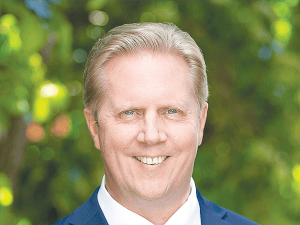
The Government is backing work on a community-led water storage scheme that could irrigate up to 11,000 more hectares of the Poverty Bay flats, Agriculture Minister Todd McClay says.
Agri-tech company Herd-i has become a new all-region sponsor of the New Zealand Dairy Industry Awards (NZDIA), the largest nationwide celebration of excellence in the dairy sector.
Four candidates have been confirmed for two director positions on Fonterra’s board.
Returning to the family dairy farm after playing 20 years of professional rugby around the world is no easy task.
After delivering another record farmgate milk price to 100 supplying farms, independent milk processor Tatua is entering thee new financial year with a positive outlook.