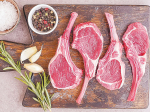
NZ Red Meat Exports Hit $867m in August, Up 23%
New Zealand's red meat and fifth-quarter exports reached $867 million in August, up 23% on the same month last year, as stronger returns lifted earnings across all major markets.
 increase font size
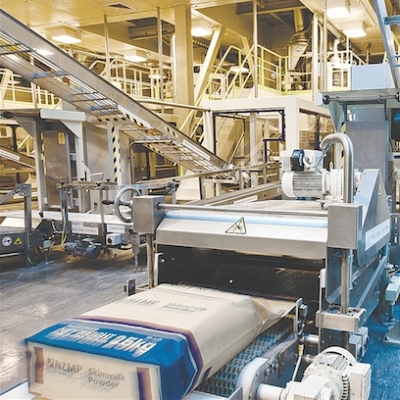 With whole milk powder prices down, processors are increasing SMP output
Four months ago, we considered several months of downward movements in dairy commodity prices on international markets.
At that stage, the average GlobalDairyTrade (GDT) price was at US$3309/tonne – an average fall of 34% across all products from the February peak.
Since then, the GDT average has dropped a further 23%, reaching US$2561/t at the November 18 event.
Much has happened in the market since the start of August, the most dramatic and unexpected being the announcement by the Russian government of an embargo on food imports from the EU, US, Canada, Australia and Norway (in addition to Ukraine, banned in July).
The ban’s direct impacts on Australia are largely confined to denying several processors with Russian-approved plants a premium-paying butter market.
Indirectly, many feared that some of the 260,000 tonnes of cheese exported to Russia by the European Union each year would be dumped on world markets, including Japan and South East Asia.
Profitability in these markets has already been eroded in recent years by price competition from US exports, often subsidised under the Cooperatives Working Together (CWT) industry program.
It remains too soon to assess how well-founded such fears were, with the latest round of price negotiations in Japan still underway at the time of writing.
So far however, the worst fears have not been realised, and although cheese prices have adjusted in line with the broader market, the outlook seems to reflect less downside potential than a month ago, with some expecting values could remain supported around current levels in the near term.
The commodity most impacted by the Russian ban has been skim milk powder (SMP), which on GDT has lost 52% since February, including a 35% drop since August.
Much of the European milk that would have been destined for Russia in the form of cheese has been directed to SMP in recent months, boosting supply in a falling market. Other factors are at play too, however.
With whole milk powder (WMP) prices also depressed, New Zealand’s processors are also increasing SMP output, while recent corrections in the US domestic market are bringing American suppliers closer to export competitiveness.
Demand is reportedly healthy and sizeable volumes of product are changing hands, but in the words of some traders, there is ‘just too much product around’.
The reason so much SMP is being produced is to do with milk fat products, for which skim milk is a by-product. Butter, anhydrous milk fat (AMF) and cream cheese continue to perform reasonably well on export markets, and even better in the domestic markets of many major exporters (Australia included).
The total returns from channelling milk to SMP/milk fat production streams are at present greater than those from producing WMP.
Speculation that SMP pricing may reach public intervention levels increases its attractiveness to manufacturers, because of the effective price floor that intervention buying by the European Commission provides.
With little change to the fundamentals, it looks likely that prices will finish 2014 around current levels. The good news is that inevitably, the cycle will turn.
Though a substantial degree of downside risk remains (particularly for SMP), many products are likely to find increasing levels of support into 2015.
By then, pricing signals will likely be reaching the farmgate (and consumers) worldwide, and supply may become further restricted as southern hemisphere farmers contend with a potentially difficult summer.
• John Droppert is industry analyst with Dairy Australia.
New Zealand's red meat and fifth-quarter exports reached $867 million in August, up 23% on the same month last year, as stronger returns lifted earnings across all major markets.

Meat Industry Association data, released alongside the Red Meat Sector conference in Wellington, shows export value climbing across the US, China, UK and Canada.
OPINION: The stats speak for themselves.
Milk powder prices are keeping farmgate prices up, helping processors offset the dip in milk fat prices.
New Zealand exports to the European Union have surged by $3 billion in two years under the New Zealand-European Union Free Trade Agreement.



Federated Farmers has welcomed new rural policies released by ACT, saying they align closely with its own election priorities.

Rural Contractors NZ says proposed changes to land transport rules for agricultural vehicles are a welcome response by the Government to out of date regulations which have seen members hit with huge fines.
Alliance is calling for final applications for its 2027 Graduate Programme, with applications closing on Sunday 25 October.
Decades piloting planes has ensured vet and farmer David Hayes is focused on safety. So, after a serious accident while welding on farm, he is sharing his experience so others can learn from it.
Canterbury milk processor, Synlait Milk has confirmed Leon Fung as its chief executive officer.
OPINION: Making it easier to collect rainwater and use it to grow crops and livestock is a no brainer.