International Day of Rural Women: Two DairyNZ Farmers’ Stories
Today, 15 October, is the International Day of Rural Women, which recognises rural women’s contribution to farming, communities and the environment.
 increase font size
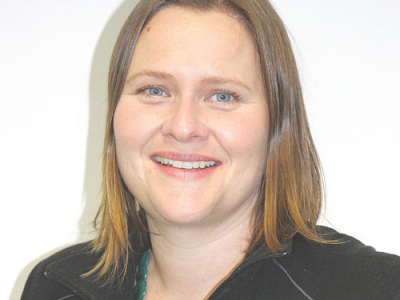 Angie Fisher, DairyNZ.
The number of shareholders in the dairy industry is dropping.
According to DairyNZ, over the past two seasons the number of sharemilkers has dropped to 27% of herds; this had been 33% in the previous 10 years.
Sharemilking agreements have been exchanged for contract milking arrangements and, in other cases, for equity partnerships or leasing agreements.
DairyNZ economist Angie Fisher says roles in the dairy sector are more diverse than they once were which is helping farmers adapt to increasing volatility.
“Anecdotal evidence suggests an increase in variations to the standard clauses in sharemilking agreements on the sharing of milk income. This is evidence of the market adapting to milk price volatility,” she says.
With the milk payout bouncing back, farmers who moved to contract milking may revert back to profit-sharing variable order agreements in 2017-18 and 2018-19.
“It is too early to tell, but this illustrates the flexibility of farmers to move with milk price both in operating structures and, as we’ve also seen, in reducing farm expenses.”
DairyNZ has created fact sheets to help farmers better understand options available, especially the variations in each operating structure.
“Working with AgFirst and Federated Farmers, we’ve created resources that outline the options under four types of operating structures: pre-herd owning, herd owning, leasing and equity partnerships,” says Fisher.
“These are aimed at farmers looking to progress, and farm owners who are looking to step back from day-to-day operations and wondering if they should, for example, employ a contract milker or go down the sharemilking route.”
She says no matter what option farmers choose, it is important to do thorough research before signing any agreement.
“It is vital to get the right fit between parties. Going in with your eyes wide open and clearly understanding your responsibilities will help improve the outcomes for everyone.”
There are plenty of resources to help farmers do their homework before signing an agreement.
“For example, DairyNZ has a due diligence tool called ‘Do your Homework’, and Federated Farmers produces industry standard contracts and agreements that cover sharemilking and contract milking arrangements,” says Fisher.
She adds that DairyNZ’s Dairy Connect service links farmers looking for information on a particular operating structure with another farmer with experience in that area.
For more information on farm business pathway options and other resources visit dairynz.co.nz/business-pathways
Today, 15 October, is the International Day of Rural Women, which recognises rural women’s contribution to farming, communities and the environment.
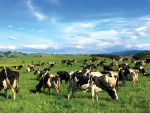
The first major update to the Dairy Cattle Code of Welfare in more than a decade has been released, marking what DairyNZ describes as an important step in ensuring animal welfare standards continue to evolve alongside scientific evidence and on-farm realities.
Have a plan in place for your cows and staff.
DairyNZ deputy chair Cameron Henderson has been re-appointed unopposed for another term.
OPINION: The stats speak for themselves.


Federated Farmers has welcomed new rural policies released by ACT, saying they align closely with its own election priorities.
Rural Contractors NZ says proposed changes to land transport rules for agricultural vehicles are a welcome response by the Government to out of date regulations which have seen members hit with huge fines.
Alliance is calling for final applications for its 2027 Graduate Programme, with applications closing on Sunday 25 October.
Decades piloting planes has ensured vet and farmer David Hayes is focused on safety. So, after a serious accident while welding on farm, he is sharing his experience so others can learn from it.
Canterbury milk processor, Synlait Milk has confirmed Leon Fung as its chief executive officer.
OPINION: Making it easier to collect rainwater and use it to grow crops and livestock is a no brainer.