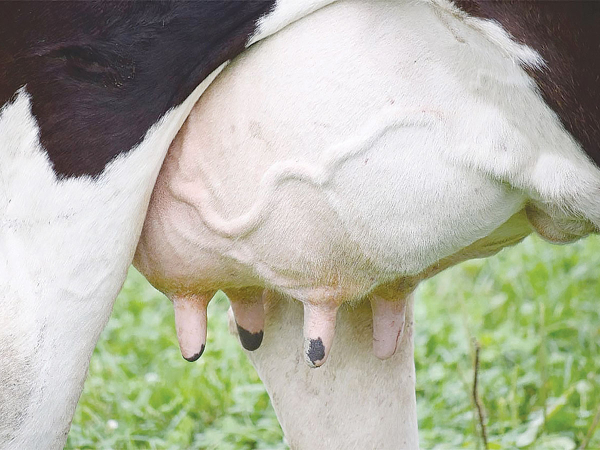
A rising somatic cell count (SCC) today can mean lower profits tomorrow.
With this season’s payout, this could mean lower milk volumes and higher costs that leave farmers out of pocket.
DairySmart says it uses AI to help farmers tackle mastitis by identifying pathogens, providing precise detection, and sustainable solutions. This reduces economic pressures and improves herd health, enhancing farmers’ bottom lines.
In New Zealand, the annual cost of this disease is estimated to exceed $200 million, while globally, it surpasses $35 billion. The extensive use of antibiotics increases economic costs and raises concerns about antibiotic resistance, leading to regulatory changes in many countries.
The global industry has put in measures to combat antimicrobial resistance (AMR). Last year, over 1 million lives were lost due to AMR-resistant bacteria - projected to rise to 10 million deaths/year by 2050.
In New Zealand, the discovery of antibiotic-resistant bacteria Staph aureus (MRSA) in several dairy herds highlights the urgent need for rigorous testing of milk to identify resistant bacteria. It’s essential that we accurately test cows to mitigate the risk of spreading these pathogens in our herds.
DairySmart received the NZPI Technology Innovation Award in 2023 and says it continues to make progress in a competitive landscape with its precise diagnostics and user-friendly reporting for farmers and veterinarians.
The company follows an evidence-based approach, and says independent testing confirms it has market-leading accuracy.
DairySmart’s userfriendly technology has been attractive to European veterinary clinics and their farmers due to mandatory reductions in antibiotic usage; with similar regulations anticipated for New Zealand.
The company says European clinics often prefer DairySmart’s solutions, citing “enhanced speed, comprehensive reporting, and improved accuracy as key factors in their transition from other products”.
It says an independent scientific review found that DairySmart’s Smart- Screen before autumn dry-off effectively treats infections while significantly reducing antibiotics. “This supports sustainable farming and offers economic benefits. Some farmers have seen a 90% reduction in antibiotic use, 55% less mastitis, and $30 extra per cow from savings and increased milk production with DairySmart.
“DairySmart’s patented aseptic milk sampling technology facilitates rapid and precise pathogen testing, extending beyond mastitis detection. This technology has led to a notable increase in demand for Johnes testing.”
As DairySmart grows, it says it remains committed to advancing agricultural technology and promoting responsible farming practices through on-farm support and innovation. The company aspires to lead in on-farm pathogen diagnostics and support.
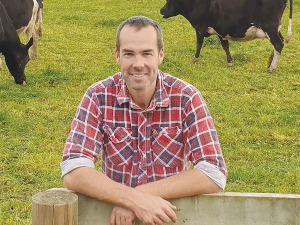
Ben Davidson is the CEO and veterinary advisor. The company is increasing its operations in New Zealand and meeting demand from British and various European markets. It offers services to clients in over 12 countries, including Netherlands, Norway, and Ukraine.
The DairySmart board is implementing steps to manage this expansion, describing it as a “great challenge to be facing.” Their successful capital raise is nearing its target, which will be used to enhance DairySmart’s artificial intelligence capabilities towards achieving 99% accuracy and expand their diagnostic services.