Cameron Henderson Reappointed Unopposed as DairyNZ Deputy Chair
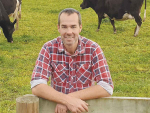
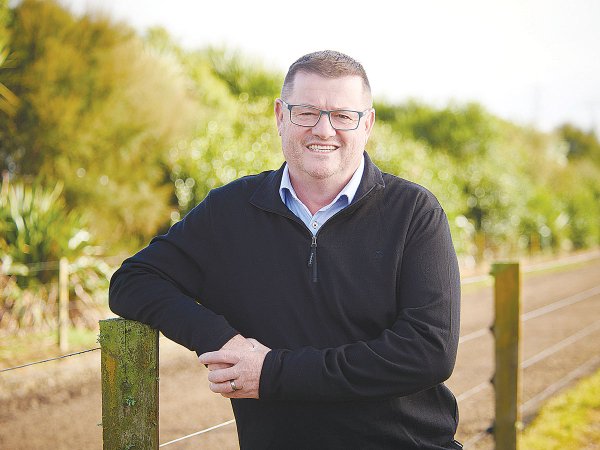
DairyNZ deputy chair Cameron Henderson has been re-appointed unopposed for another term.
 increase font size
 Campbell Parker, DairyNZ
A governance group has been formed, following extensive sector consultation, to implement the recommendations from the Industry Working Group's (IWG) final report and is said to be forming a 'road map' for improving New Zealand's animal genetic gain system.
The IWG was charged with evaluating the dairy sector's genetic improvement progress and recently put forward recommendations to drive faster rates of genetic gain in New Zealand's dairy herd.
The IWG report said the current system for genetic gain in New Zealand was not fit-for-purpose and that, as a result, New Zealand's genetic herd had lagged relative to other advanced dairy industries.
Importantly, the IWG report noted its confidence that New Zealand can catch up to fully harness the benefits of genomics for faster genetic gain, unlocking increased profitability and improving environmental outcome.
Upon the report's release in July, DairyNZ, LIC and CRV all committed to making changes for the sector's benefit and will each participate in a newly established governance grup to take the report's recommendations forward.
The governance group met yesterday and identified six workstreams to action the report's recommendations, including:
The governance group has commenced a process to appoint an independent chair for a two-year term, alongside an appointed project manager.
“The report clearly outlined how New Zealand can improve the rates of genetic gain and we are fully committed to ensuring that the recommendations are actioned to benefit the entire sector,” DairyNZ chief executive Campbell Parker says.
“We have had productive conversations about how we can implement the recommendations and are determined to work together and overcome sector challenges to ultimately deliver benefits to our New Zealand dairy farmers – through animals that are more resilient, profitable and easier to farm into the future.”
He says the governance group parties will work together to develop outputs that meet the needs of other stakeholders in the sector to access and participate in a one genomic breeding worth index.
He says they will also ensure they have the right reporting mechanisms set up for the workstreams for transparency and consistency, and an engagement plan is being developed to ensure all interested stakeholders can participate effectively in the governance group process.
The governance group will provide regular updates.
DairyNZ deputy chair Cameron Henderson has been re-appointed unopposed for another term.
Farms across the upper North Island are trialling different pasture mixes as part of a research programme that aims to build greater resilience into farming systems.
Election years are always a concerning time for farmers, according to DairyNZ chair Tracy Brown.
Most dairy regions around the country have had a pretty good season so far says Tracy Brown.


Red meat farmers are welcoming Labour’s plan to review the Emissions Trading Scheme and not to campaign on pricing agricultural emissions.
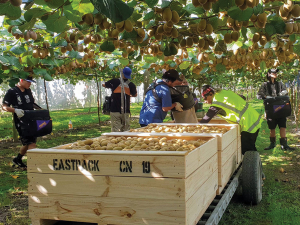
Where any worker in the kiwifruit industry is mistreated, we expect the authorities to take action.
Mid Canterbury Federated Farmers arable chair, Bevan Lill, said Beef + Lamb NZ data indicated that for the last six years, the average arable return on investment was about 0.8% while inflation ran about 4% - so the average arable farm was going backwards at about 3% a year.
Seed and grain companies share the concerns of arable farmers about the viability of their sector, says Seed and Grain New Zealand chief executive Dr Sarah Clark.
The New Zealand Institute of Forestry (NZIF) says unnecessary changes to New Zealand’s Emissions Trading Scheme (NZ ETS) will seriously erode investor confidence and result in significant reductions in forest planting rates.
For the first time in a quarter of a century, Federated Farmers has something positive to say about the Labour Party’s climate change policy leading into a general election.