BVD Control Begins Long Before You See A Problem
Bovine Viral Diarrhoea (BVD) is sometimes viewed as a dairy industry issue, but the reality is that the disease can have serious consequences for beef breeding herds as well.
 increase font size
 Mitchell Koot
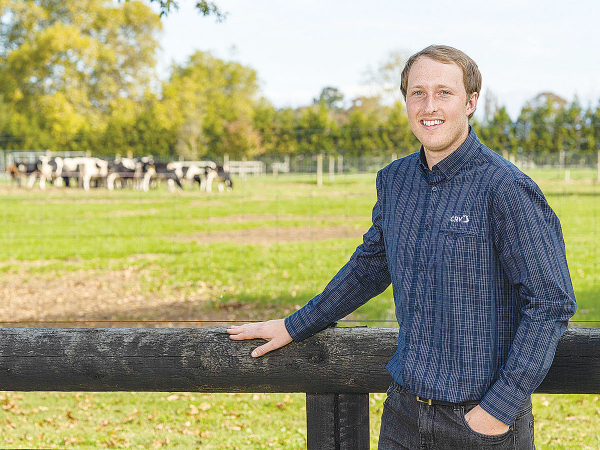
CRV says its dairy beef sales have grown by 15% since last year as farmers take a more strategic approach to breeding and look to diversify their income streams.
In the past, farmers used dairy beef predominantly towards the end of the mating season, but now more of them are using it as part of a more strategic precision breeding approach to increase their herds’ genetic gain, says CRV genetics product manager for New Zealand market, Mitchell Koot.
“That involves using dairy beef strategically over their lowest genetic merit animals, together with sexed and conventional dairy semen, over their best performers. This approach helps drive genetic gains even faster and create a healthier, more efficient herd.”
Koot says as an increasing number of dairy farmers are recognising the added value of dairy beef calves, they are considering a range of breeds to appeal to the beef market.
“Our dairy beef Fertabull (Hereford, Angus and Belgian Blue) remain the most popular options within the respective breeds to give dairy farmers the best chance of getting cows in calf.
“Data from CRV recorded herds indicates that farmers are getting up to 4% higher non return rates using Fertabull.”
CRV has 20 breeds of dairy beef for farmers to choose from, ranging from breeds with easy to identify coat markings, such as Hereford and Belgian Blue, to breeds with high growth rates that appeal to beef finishers, such as Charolais, Angus and Stabilizer.
Dairy Beef sires breeding values are screened carefully for short gestation, growth rates and calving ease along with other key traits. Short gestation is important as it allows the calving pattern to be in line with earlier mated animals in the dairy herd. CRV says it works with key dairy beef partners to ensure they offer customers top quality sires whose progeny have traits tailored to both dairy and beef farmer needs.
Belgian Blue
CRV offers sires from the Belgian Blue Group (BBG) in Belgium. The size of the Belgian Blues comes from the breed’s double muscle gene, which is completely natural and the result of a focus on producing meat.
BBG breeds dairy beef semen first and foremost for calving ease. Gestation length is also a key trait as is fertility, growth and meat quality.
An Irish study has shown that a Belgian Blue cross animal produces more meat from the same duration of feeding.
<emHereford
CRV also partners with Bluestone Herefords in South Canterbury, which has been supplying Hereford genetics to CRV since 2014.
Bluestone focuses on producing a balanced Hereford bull with four main traits; low birth weight, short gestation, ease of calving and homozygous polled (hornless).
Hereford cross-bred animals are very popular, due to their easily identifiable coat colour markings, with great saleability and high value off-spring.
Stabilizer
Stabilizer is relatively new in New Zealand but is actually the result of 30 years R&D by leading North American genetics companies. They have captured the best attributes of four breeds and combined them in a composite breed. Stabilizer is also a Polled breed.
CRV sources its Stabilizer genetics from Focus Genetics - NZ’s largest independent red meat genetics company.
Stabilizer cross calves wean on average 4 days earlier and heavier with 19% more scanned eye muscle.
Bovine Viral Diarrhoea (BVD) is sometimes viewed as a dairy industry issue, but the reality is that the disease can have serious consequences for beef breeding herds as well.

Animal health company Bovonic is gearing up for its next stage of growth after increasing New Zealand sales of QuadSense by more than 50% in the last 12 months, including a record quarter for the business this year.
With lambing underway in many regions, Beef + Lamb New Zealand is encouraging farmers to put together a wellequipped lambing kit to help minimise lamb losses, particularly in bad weather.
Bovine Viral Diarrhoea (BVD) remains one of the most significant infectious diseases affecting New Zealand dairy herds.
Bovine Viral Diarrhoea (BVD) is sometimes viewed as a dairy industry issue, but the reality is that the disease can have serious consequences for beef breeding herds as well.


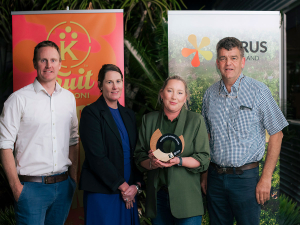
New Zealand's citrus growers were challenged to build their future on the value embedded in their fruit rather than the volume they produce, at Citrus New Zealand's annual gathering in Gisborne on 17 September.
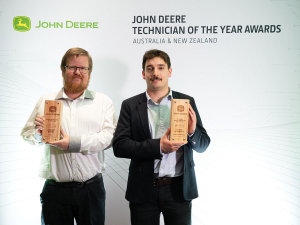
Leading John Deere technicians and apprentices from New Zealand and Australians were recognised at the recent sixth annual JD Technician of the Year Awards, held in Brisbane.
In Dacre, near Invercargill in New Zealand’s South Island, Bruce Dinnington is running a dairy operation unlike any other.
A free online platform aggregating governance vacancies across rural and regional New Zealand has been launched.
Environment Minister Nicola Grigg has announced details of a new rural plastics recycling scheme.
Agricultural drone operators say that a government decision to allow lower-risk drone work without certification won’t lower standards but drive innovation and efficiency.