BCS Targets: Why Body Condition Score Matters at Calving
Body Condition Score (BCS) is a critical element in managing the health and reproduction of the dairy herd.
 increase font size

SEVERAL STRATEGIES allow farmers to achieve BCS targets at calving, says DairyNZ.
Drafting cows based on BCS, age and time of calving, milking OAD and running more than one herd may be appropriate. A mix of strategies will likely need to be implemented to ensure all cows achieve the BCS targets.
Early drying-off requires a farmer to forgo autumn milk production by drying off the cows so as to reach BCS targets before winter. The milk foregone in the autumn roughly equals the production gained in the following spring; no net change in milk revenue occurs.
Fertility gains can be made by ensuring cows reach BCS targets at calving, estimated at $40/cow for each BCS unit. And extra benefits – not easy to value economically – accrue from having cows calving at target BCS. These include the sustainability of the system in difficult springs and the public’s perception of thin cows.
Autumn supplements
Feeding supplements in the autumn to milking cows is of limited use for achieving calving BCS targets unless cows were to lose BCS if not supplemented (i.e. insufficient pasture – grazing residuals below 7-8 clicks on the rising plate meter). Cows selected for high milk production preferentially partition nutrients to milk production and not BCS gain. So they tend to be thinner in late lactation and the feeding of supplement results in more milk production, not BCS gain.
Experimental results suggest that supplementing cows with an extra 400-500kgDM/cow of a high quality supplement in mid to late lactation resulted in only a 0.25-0.50 unit increase in BCS by the original dry-off date because most of the extra feed eaten was used by the cow for milk production.
Supplement feeding to dry cows
If the infrastructure exists to achieve high supplement utilisation when feeding to dry cows during winter, this can be an effective strategy to maximise lactation length while achieving BCS targets. It is important to seperate the herd into different BCS mobs to avoid some cows becoming too fat at the expense of other cows not achieving targets.
Where generous intakes can be achieved with a mixture of pasture and good quality supplement (10-12kg DM/day eaten, depending on breed), 1.0 BCS unit gain can be achieved in 45-60 days.
Cows will not achieve these levels of gain solely on a pasture diet.
Winter grazing
Winter grazing may look feasible in theory, but in practice it is difficult for cows to gain BCS on pasture alone (11.0 MJ ME/kg DM) and they need to be generously fed (i.e. leave high residuals) to gain weight. Because of this, cows rarely gain weight at winter grazing.
The quality of winter grazing needs to be assessed. If the feed is low quality (kikuyu or browntop) or feed utilisation is poor, cows may even lose BCS.
Body Condition Score (BCS) is a critical element in managing the health and reproduction of the dairy herd.
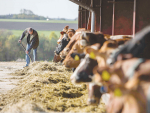
As dairy farmers head into mating with lower cow body condition scores than last season, feeding quality pasture and supplements will be crucial for getting cows in calf and putting milk in the vat.
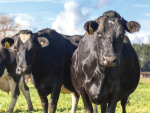
Body condition scoring (BCS) is the assessment of the amount of fat covering the bones of a dairy cow, regardless of her body size.
Range in body condition score (BCS) is as important as average BCS at calving on New Zealand dairy farms, according to DairyNZ.
Getting an average body condition score (BCS) of 5.0 across a herd before mating isn’t all that useful, says vet Danielle Hawkins, Vetora.

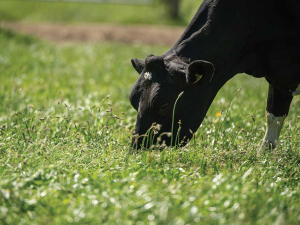
Farms across the upper North Island are trialling different pasture mixes as part of a research programme that aims to build greater resilience into farming systems.
Election years are always a concerning time for farmers, according to DairyNZ chair Tracy Brown.
The Ballance Farm Environment Awards are coming to the West Coast of the South Island.
Most dairy regions around the country have had a pretty good season so far says Tracy Brown.
Rural leader Mark Hooper has been appointed as an independent director to the NZPork board, bringing extensive farming, governance and advocacy experience to the role.