A new embryo transfer biopsy and genomic selection technology is being used to boost elite animal breeding for the dairy industry.
In a New Zealand first, CRV Ambreed’s embryo transfer programme pulls together existing technology in a new way, to speed the production of elite high genetic merit bulls.
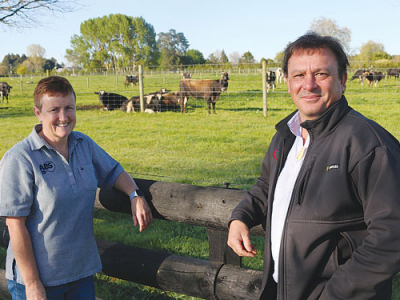
Animal breeding services (ABS) general manager, Jacqui Forsyth says the embryo transfer process, for the most part, works like IVF for humans.
“Eggs are collected from the cow using ultrasound, then placed into a medium for 24 hours to prepare them for fertilisation. The eggs are then fertilised in a petri dish to form an embryo.”
The embryos are processed through complex screening which involves using a laser to cut a hole in the embryo and extracting a portion of DNA.
From here, CRV Ambreed uses genomic capabilities to screen the biopsied DNA to determine the full genomic profile of the embryo including its sex and genetic merit.
CRV Ambreed’s breeding programme manager Aaron Parker says the ability to determine the sex of the embryo alone will be a huge advantage for breeders.
“Our breeders benefit from this because they only implant female embryos back into their herd to create elite milking and breeding cows.
“We take the high merit male embryos for our breeding programme and select the best ones to produce bulls for our progeny test programme, and ultimately offer the best bulls to dairy farmers for use when mating.”
This is all new in mainstream breeding in New Zealand.
The process will make CRV Ambreed’s breeding efforts “more efficient and more sophisticated”.
160 elite Friesian, Jersey and Crossbred cows and heifers have been selected NZ-wide by CRV’s breeding team to use in the programme. Once the embryos are selected, ABS will take the female embryos back to the individual farms for implantation in selected cows.
Parker says this “precision breeding” approach will enable the industry to more quickly get better cows into the national herd.
“By using these tools together we can drive genetic gain for profitable, healthy and efficient cows much faster.”
With this technology, breeders will increase their chances to produce elite replacements and they’ll know its genetic potential before it is born.
“The farmers we are partnering with can see where we’re heading in our breeding programme and the opportunities it will create for their own breeding. This [can] affect how breeding is done in NZ.