A Year of Delivery for Fonterra
Fonterra’s 2026 financial year was a year of delivery, with record volumes of milk collected, processed and shipped by the co-op.




 increase font size
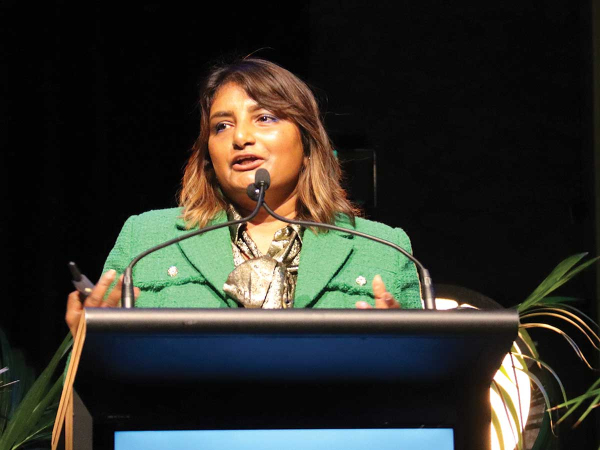 Food science and marketing expert, Dr Angeline Achariya.
In the past, much has been made of the concept of farm to fork, but an Australian expert in food science and marketing with experience in the dairy industry, Dr Angeline Achariya, says the reverse of this slogan is critical to win modern day consumers.
She says ‘fork to farm’ is the way to go, meaning that producers and manufacturers should be tailoring what they grow to the ever changing and sometimes fickle future food preferences of consumers.
Achariya says clinging to the old farm to fork concept is simply a case of remaining in the pack with other producers, instead of leading the way and setting and meeting evolving consumer trends.
“It’s about moving into the value-add space, creating new products and converting your supply chain to meet the demands of consumers. It’s about shedding the mentality of just production,” she says.
Achariya says there are well known, timeless global mega trends which show what consumers are looking for. Convenience, health and price are at the top of the list.
She points out that consumers are looking for food which can effectively double as a medicine and adds that they want natural things and minimally-processed foods.
Achariya says sophisticated companies look at market segmentation and divide the market into generation groups to identify the ‘bullseye’ market.
She notes that one of the biggest competitors of foods is pharmaceuticals and it’s a case of producing foods that offer functionality and health benefits.
“Convenience is now becoming a very important factor in consumer preference. People are busy, fewer are cooking and many modern homes don’t have kitchens or ovens – just microwaves. In some countries, consumers will pay a premium for foods that require little or no preparation,” she says.
Achariya says exporters selling into China, for example, need to be aware that people there have only a small amount of freezer space, so foods need to be tailored to deal with that fact.
In terms of where NZ sits in this picture, Achariya says there are some very good examples of our country being there in many of the foods it offers.
Fonterra is one company that has products that meet the fork to farm criteria. Another, she says, is kiwifruit, which is both healthy and convenient.
“This is all about seeing how people shop and the way they look at food and it’s about knowing the value curve. Back on the farm it’s about creating new products and extracting the maximum value from the basic raw product,” she says.
Fonterra’s 2026 financial year was a year of delivery, with record volumes of milk collected, processed and shipped by the co-op.
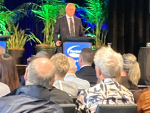
Dairy farmers, still holding onto their Fonterra shares despite switching milk supply elsewhere or exiting the industry, now face a stricter share sell-down requirement.
Milk powder prices are continuing their merry run, firming up a potential $10/kgMS farmgate price this season.
Good news for Fonterra farmers. The co-op has raised this season’s farmgate milk price mid-point by 25c to $9.75/kgMS.
Fonterra board members are in line for a pay rise of around 3%.

The International Dairy Federation’s World Dairy Summit has returned to New Zealand after sixteen years.
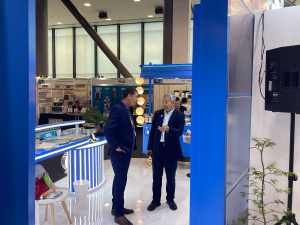
The New Zealand government is calling on global dairy industry players to urge their countries to bring down trade barriers.
Overseer Ltd has released an update to OverseerFM, the farm environmental modelling software, incorporating research findings that refine its estimates of crop nitrogen uptake.
New Zealand's red meat sector says it is disappointed that the United States' investigation into lamb imports will move to its next phase.
Three men have been sentenced in District Courts after Ministry for Primary Industries prosecutions over animal welfare, food safety and cattle tracing offences.
Fonterra’s 2026 financial year was a year of delivery, with record volumes of milk collected, processed and shipped by the co-op.

OPINION: It seems Canterbury processor Synlait is still in the doldrums.
OPINION: Get offside with New Zealand First leader Winston Peters at your own peril.