International Day of Rural Women: Two DairyNZ Farmers’ Stories
Today, 15 October, is the International Day of Rural Women, which recognises rural women’s contribution to farming, communities and the environment.
 increase font size
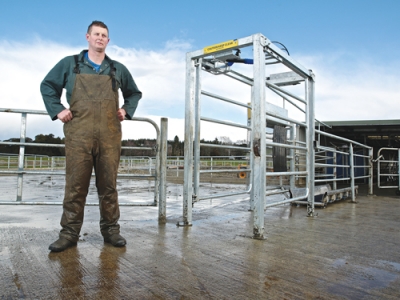 Southland farmer Peter Copeland uses Tru-Test’s walk over weighing module to closely weigh and maintain peak cow performance.
Cow lameness is a painful condition. As farm systems change, farm sizes grow and herd numbers expand, lameness is an increasing concern on New Zealand farms.
In 2014, DairyNZ estimated the cost to a farmer of one lameness incident for one cow would be around $500. DairyNZ animal husbandry extension specialist Anna Irwin says the actual cost of lameness is more difficult to measure than mastitis or other animal health issues because it is not routinely recorded and a number of different treatments exist.
To understand the true prevalence of lameness in New Zealand Massey University examined animal and human behaviour on nearly 100 farms. Surprisingly findings showed farmers recognised only a quarter of the cows having difficulty moving about. Regardless of herd size nearly three-quarters of the cows with mobility issues went unnoticed.
A second Massey study investigated the relationship between weight and lameness using automated Walk Over Weigh scales. Interestingly researchers discovered cows lost weight sharply about three weeks before any physical sign of lameness was picked up by eye and once lame cows were identified, they continued to lose weight for another month. From treatment to recovery the average cow lost 60kg.
These studies tell us a few things. Firstly, detecting lameness by eye is difficult and we are far from successful most of the time. Secondly, when we don't pick up lameness early the recovery period to a cow's healthy starting weight is likely to be lengthy. Ultimately, depending on the season, animals may not fully recover to their original body condition.
Fortunately physical and financial costs can be reduced by keeping a close eye on incremental weight changes, specifically that sharp weight change before visible lameness signs appear. Ongoing monitoring of liveweight in dairy herds via Walk Over Weighing is an extremely useful way to give farmers, herd managers and staff a heads-up on which animals should be checked for health concerns.
Weighing coupled with routine inspection mean staff in the shed can identify lameness, mastitis or feed issues early and act to remedy them. Walk Over Weighing picks up those incremental weight changes before anything is visible by eye and provides accurate weight reporting.
With in-shed information, cows can be tagged for automated alerts and individual cow data can be on hand whether in the shed or online to discuss with staff, managers or the vet. When treatments are necessary they can be administered early for a speedier recovery reducing the likelihood of lost milk production from illness or withholding constraints.
Farmers can have the benefits of walk over weighing without buying an entire automation system. Modular systems are available such as the New Zealand designed and manufactured Walk Over Weighing by Tru-Test. This simple solution weighs every animal at every milking without interfering with good cow flow and is easily integrated into farm routines. It is supported by MiHub, a full herd management system, for viewing and manipulating the cow data. Walk Over Weighing hardware is built into the exit race of the dairy shed, even sheds with challenging exits can be accommodated.
When looking for a dairy walk over weighing system, consider one that provides the information you need where you want it in a way that is easy to understand and easy to use. Ideally a set-up should be easy to see in the shed so staff can act quickly. A definite advantage is real-time information accessible from anywhere (office PC, phone or tablet) so off-site managers and owners can see trends, track events, see herd and individual animal information and make decisions in real time.ω
Today, 15 October, is the International Day of Rural Women, which recognises rural women’s contribution to farming, communities and the environment.
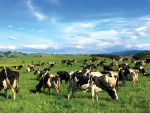
The first major update to the Dairy Cattle Code of Welfare in more than a decade has been released, marking what DairyNZ describes as an important step in ensuring animal welfare standards continue to evolve alongside scientific evidence and on-farm realities.
Have a plan in place for your cows and staff.
DairyNZ deputy chair Cameron Henderson has been re-appointed unopposed for another term.
OPINION: The stats speak for themselves.


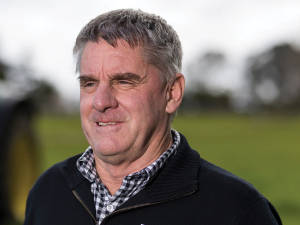
Federated Farmers has welcomed new rural policies released by ACT, saying they align closely with its own election priorities.

Rural Contractors NZ says proposed changes to land transport rules for agricultural vehicles are a welcome response by the Government to out of date regulations which have seen members hit with huge fines.
Alliance is calling for final applications for its 2027 Graduate Programme, with applications closing on Sunday 25 October.
Decades piloting planes has ensured vet and farmer David Hayes is focused on safety. So, after a serious accident while welding on farm, he is sharing his experience so others can learn from it.
Canterbury milk processor, Synlait Milk has confirmed Leon Fung as its chief executive officer.
OPINION: Making it easier to collect rainwater and use it to grow crops and livestock is a no brainer.