2024/25 Dairy Statistics: NZ dairy farmers boost production with fewer cows
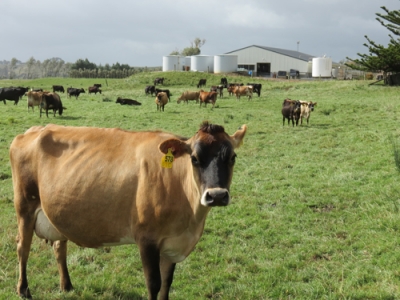
According to the New Zealand Dairy Statistics 2024/25 report, New Zealand dairy farmers are achieving more with fewer cows.
A cow is labelled a non-cycler if it has not had an observed heat before mating starts, says LIC.
Non-cyclers reduce herd reproductive performance and farm profitability by dragging down submission and conception rates and achieving fewer days in milk in the following year than their cycling herd mates.
In most herds, the types of cows that become non-cyclers tend to be the same from year to year.
Non-cycling in cows show up as follows:
For cows cycled but not detected, plan to improve heat detection.
Forest & Bird's Kiwi Conservation Club is inviting New Zealanders of all ages to embrace the outdoors with its Summer Adventure Challenges.
Grace Su, a recent optometry graduate from the University of Auckland, is moving to Tauranga to start work in a practice where she worked while participating in the university's Rural Health Interprofessional Programme (RHIP).
Two farmers and two farming companies were recently convicted and fined a total of $108,000 for environmental offending.
According to Ravensdown's most recent Market Outlook report, a combination of geopolitical movements and volatile market responses are impacting the global fertiliser landscape.
Environment Canterbury, alongside industry partners and a group of farmers, is encouraging farmers to consider composting as an environmentally friendly alternative to offal pits.
A New Zealand dairy industry leader believes the free trade deal announced with India delivers wins for the sector.