BCS Targets: Why Body Condition Score Matters at Calving
Body Condition Score (BCS) is a critical element in managing the health and reproduction of the dairy herd.
 increase font size
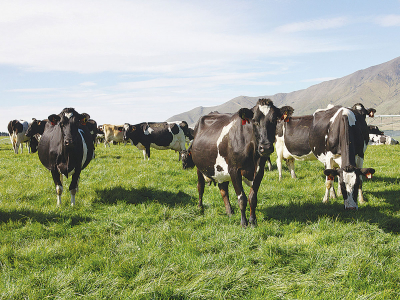 Cows are fast approaching the most stressful time of the year, says Joe McGrath.
With winter now well underway, dairy cows are fast approaching the most stressful time of the year.
They have been dried off, run off and are in transition. So farmers must try to anticipate their needs in advance as they head into a new lactation season.
Cows are experiencing hormone secretion, metabolic change and bone rebuilding, made tougher by added stress and low dry matter intake during the first days post calving.
Confronted in a short time with such huge challenges, cows have to manage this situation with its impact on their production, immune status and reproduction performance.
A dairy cow moves many nutrients to produce milk solids during lactation so she needs to rebuild her body and skeleton during the dry and transition period to start the next lactation without developing metabolic disorders.
In each lactation a cow can lose about 500gm of calcium from her natural storage, namely her bones. She is mining her skeleton to put calcium and phosphorus into milk. This situation can explain why higher producing, older cows are more susceptible to milk fever.
Farmers must optimise cows’ absorption of calcium and phosphorus to keep them strong and healthy -- basically putting back what they take out.
Under New Zealand conditions, knowing the dynamics of the minerals in the different stages of the cow’s transition is the key to designing a proper transition.
Excess potassium affects magnesium absorption.
You also need to take into account mineral ratios and vitamin levels and understand the difference between farms in order to devise the most beneficial strategy on farm.
Based on scientific knowledge and understanding of NZ conditions, Sollus’s approach differs from conventional mineral company recommendations. We design and formulate highly effective transition supplements for NZ dairy cows.
Our product Tranzsol contains antioxidants, magnesium and, most importantly, Rovimix Hy-D. This combination allows cows to safely transition, even when consuming pasture. The product also contains needed calcium, magnesium and salt.
Rovimix Hy-D is a molecule designed by the animal nutrition company DSM to manage calcium absorption.
Calcium is critical for the function of the smooth muscles of the uterus, rumen teats and sphincter. If these muscle groups cannot function effectively a greater risk arises of metabolic disorders, mastitis and reproductive issues.
We no longer need to accept these diseases as normal in milking cows.
• Dr Joe McGrath is Sollus technical veterinary advisor.
Body Condition Score (BCS) is a critical element in managing the health and reproduction of the dairy herd.
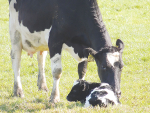
Giving calves the best possible start to life has been shown to boost growth and resilience.
The first weeks of a calf's life quietly shape the future of the entire herd.
In calf rearing, the smallest details often have the biggest impact. While feed and genetics remain critical, bedding is increasingly recognised as a key driver of calf health, growth, and overall performance.
For decades, probiotics in calf rearing have been treated as a reactive tool – something to reach for when illness strikes. That thinking, according to Matt Collier of Probiotic Revolution, is leaving significant money on the table.



Dairy processors are ready to further boost New Zealand’s export earnings but want the incoming government to match their ambition with good policy.

Massey University is best placed to solve the “problems” facing the dairy industry, says vice chancellor, Pierre Venter.
Synlait's longest serving employee – a man who joined the Canterbury-based milk processor even before it began processing milk – is now its newest executive.
A dairy industry leader believes eradicating the common and costly disease, Bovine Viral Diarrhoea (BVD) is within reach.
A farmgate milk price of $10/kgMS this season is firming up as milk powder prices soar and the New Zealand dollar weakens.
Federated Farmers has welcomed new rural policies released by ACT, saying they align closely with its own election priorities.