Cameron Henderson Reappointed Unopposed as DairyNZ Deputy Chair
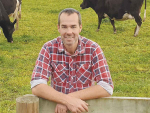
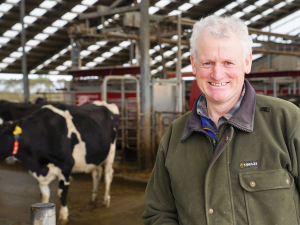
DairyNZ deputy chair Cameron Henderson has been re-appointed unopposed for another term.
 increase font size
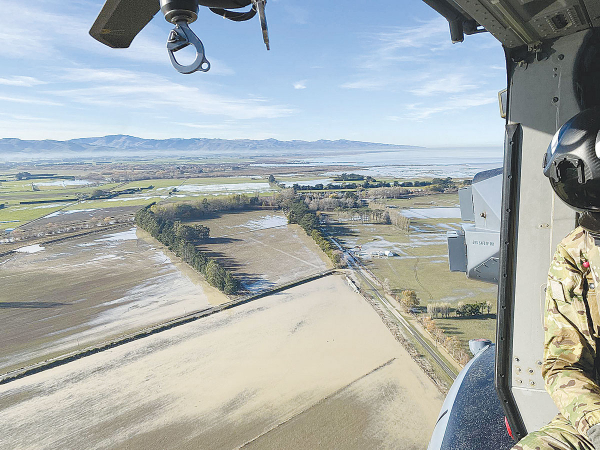 Canterbury farmers are dealing with a massiver recovery effort after the recent floods.
The Government has announced it will commit $4 million into relief funding for flood-affected Canterbury farmers.
“Our Canterbury farmers are dealing with a massive recovery effort following the recent floods and facing significant costs that aren’t covered by insurance,” Prime Minister Jacinda Ardern said.
“The flooding has caused widespread and significant damage across a number of districts and recovery efforts are ongoing and considerable.
“It’s clear that extra funding is needed to relieve pressure on farmers who have also been battling drought.”
Associate Agriculture Minister Meka Whaitiri said the region’s farmers and their communities have a large task ahead of them.
“The new funding we’ve announced today should help towards paving the way for ongoing recovery efforts in Canterbury. The Government remains committed to helping them get through,” she said.
DairyNZ says it is reassured to see additional funding delivered.
DairyNZ chief executive Tim Mackle said the government funding will deliver greater support for farmers who have been significantly impacted by last month's flood event.
“Farmers in Canterbury have had a huge job on their hands cleaning up after the floods earlier this month – many have had paddocks and infrastructure with significant flood damage,” Mackle said.
“This has left farmers with parts of their businesses unable to function or with huge, manual and costly work to be done to clean up and get back to productive capacity.
“Additional funding to support the clean-up is very welcome and we encourage farmers to seek it out. We value the Government’s assistance to the sector.”
Meanwhile, the Ministry for Primary Industries (MPI) says it is working to help drought and flood-affected farmers in Canterbury to find alternative grazing for their livestock.
“I have visited farms where pasture and winter fodder crops have been buried under flood debris,” says MPI’s director of Rural Communities and Farming Support Nick Story.
“This event has been an extremely challenging situation for farmers. The worst affected farms have a need for alternative grazing for their sheep, beef cattle and dairy cows.”
MPI’s Feed Coordination Service has been expanded to help find grazing, distribute donated feed, and connect people with surplus feed to farmers who need it.
“Our feed coordinators had more than 35 additional requests from flood-affected farmers in the first half of June who need grazing and feed,” says Story.
“It’s likely the worst flood-affected paddocks will be unusable for some time, so we expect demand will increase further as we move through the winter.”
DairyNZ deputy chair Cameron Henderson has been re-appointed unopposed for another term.
Farms across the upper North Island are trialling different pasture mixes as part of a research programme that aims to build greater resilience into farming systems.
Election years are always a concerning time for farmers, according to DairyNZ chair Tracy Brown.
Most dairy regions around the country have had a pretty good season so far says Tracy Brown.



Leading John Deere technicians and apprentices from New Zealand and Australians were recognised at the recent sixth annual JD Technician of the Year Awards, held in Brisbane.
In Dacre, near Invercargill in New Zealand’s South Island, Bruce Dinnington is running a dairy operation unlike any other.
A free online platform aggregating governance vacancies across rural and regional New Zealand has been launched.
Environment Minister Nicola Grigg has announced details of a new rural plastics recycling scheme.
Agricultural drone operators say that a government decision to allow lower-risk drone work without certification won’t lower standards but drive innovation and efficiency.
OPINION: Warning bells are ringing in the arable sector.