Don't reduce supplementary feed
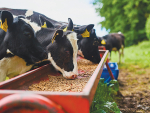
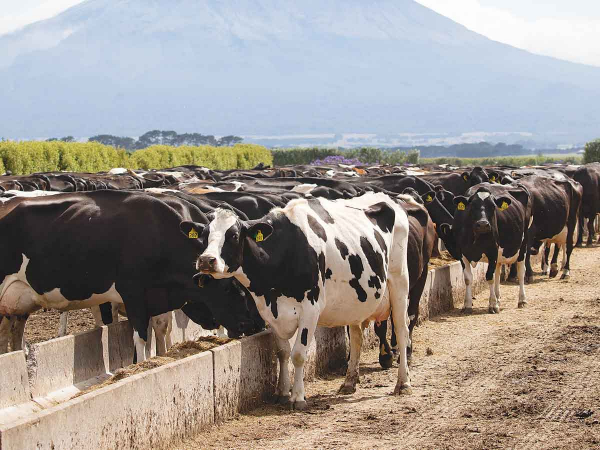
As the new dairy season gets underway and farmers tackle ongoing financial challenges, they are being urged not to make hasty decisions about selling cows and cutting back on supplementary feed.
 increase font size
 Keith Arnold, Graincorp Feeds' national operations manager, says he's seen quick fixes to supply chain problem have major ramifications.
Over the last three years almost every industry has faced upheaval.
As Covid disrupted lives, a succession of dominos toppled, starting with the global workforce. With workers down, every link of every supply chain was affected.
Keith Arnold, national operations manager at GrainCorp Feeds, coordinates the importing and distribution of a range of supplementary feed to New Zealand dairy farmers.
Upon arrival, these products must then be transported to liquid and dry storage facilities dotted around New Zealand, located to service each region.
From these storage facilities, Arnold must ensure that some products are dispatched as they are, while others are blended to the requirements of individual farmers. Once blended, these customised feeds must then be transported to farmers.
That’s a lot of moving parts.
To say that Arnold’s job is now more difficult is an understatement. Far from perplexed, he’s loving the challenge.
“I’m a natural problem-solver, so I’m like a pig in mud when there’s a puzzle to be solved. Not everyone likes handling lots of moving parts, but I actually need it.”
Because the company sells products from both locally and around the globe, synchronising the arrival of these ingredients is a supply-chain challenge. There are bulk liquid tankers to manage, bulk dry ships carrying dry feed, and container ships carrying bulk feeds and additives.
With so many links, it is inevitable that there will be challenges. With production deadlines here in New Zealand, it is tempting to reach for whatever quick fix will get the job done.
But even when a rapid intervention is required, Arnold is always mindful of the future consequences.
“I always ask this question: If we take this logistical action now, how will it affect our ability to supply farmers in the future? I’ve seen quick fixes lead to bad ramifications down the track, and those consequences are often relational.
“If you manage to get products supplied today, but do it by burning the relationships you’ll need tomorrow, what have you gained?”
“That’s why I tell my team to let me know if there are any issues putting strain on our key supply chains.”
As the new dairy season gets underway and farmers tackle ongoing financial challenges, they are being urged not to make hasty decisions about selling cows and cutting back on supplementary feed.

Slow pasture growth over the last couple of months, combined with a wet October and lack of sunshine, could see cows short on crucial energy, fibre and protein as mating gets into full swing across the country.
As dairy farmers head into mating with lower cow body condition scores than last season, feeding quality pasture and supplements will be crucial for getting cows in calf and putting milk in the vat.
With calving underway, dairy farmers are being urged to plan ahead, as feed availability is affected by global shortages along with slow and intermittent international shipping.
A deficit in pasture protein levels last summer, combined with a good payout, has seen dairy farmer demand for quality, cost-effective protein-rich supplements soar. according to a feed importer.


Farmgate lamb prices are down by 8%, beef cattle by 4.5% and farm expenditure up by 4.2%.
Kiwifruit growers are watchful but remain optimistic as concerns around the potential effects of the El Niño weather pattern this season.
Almond hulls sourced from Australian orchards may have the potential to help New Zealand cows reduce emissions, boost milk yield and lower input costs.
Striking a balance between meeting the needs of industry to speed up approval time for products but on the other hand ensuring that risks are properly assessed.
Surprised, humbled and quite thrilled. That’s the reaction of James Allen, one of the founding partners and now chief executive of AgFirst, on being made a life member of the Institute of Rural Professionals.