Meat and Dairy Vital for Health and Hunger Solutions, Experts Say
The executive director of the Global Dairy Platform (GDP) Donald Moore says research being done at Massey University's Riddet Institute will help avert world hunger.
 increase font size
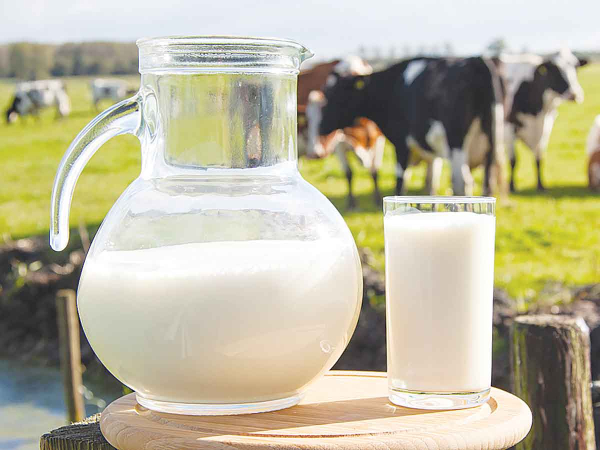 New research from the Riddet Institute has revealed new insights into Chinese dairy consumption habits.
Recent research has provided new insights into Chinese dairy consumption.
The research, part of the Riddet Institute’s NZ Milk Means More research programme, surveyed 1,000 Chinese milk consumers aged between 45 and 75 residing in the mega-cities of Beijing, Shanghai, and Guangzhou along with the two smaller provincial cities of Chengdu and Shenyang.
Dr Ao Chen, who was responsible for the project, says traditionally, milk has not been a staple in the Chinese diet. “However, over the past two to three decades, there has been a significant increase in its consumption,” Chen told Dairy News.
He says that, initially, a lack of cold chain distribution and home refrigeration led to the popularity of UHT milk across the country, but the growing interest in imported milk – often in a powdered format – has boosted powdered milk consumption in the city of Guangzhou.
“The consumption of pasteurised milk, on the other hand, has largely depended on the development of domestic dairy manufacturers in various regions.”
Chen says successful examples of this include Sanyuan Foods Co. Ltd in Beijing and Bright Dairy & Food Co. in Shanghai, the latter of which is a significant shareholder of Kiwi dairy company Synlait.
“Consuming dairy requires a changed mindset, and new ideas and exotic foods and drinks tend to be adopted first in the big cities where people are more open-minded and affluent,” Chen says.
The executive director of the Global Dairy Platform (GDP) Donald Moore says research being done at Massey University's Riddet Institute will help avert world hunger.

A partnership between Torere Macadamias Ltd and the Riddet Institute aims to unlock value from macadamia nuts while growing the next generation of Māori agribusiness researchers.
Could a breakthrough in fermentation create a new multi-million-dollar export market for shiitake mushroom extracts into China?
A food scientist from the Riddet Institute has wowed judges at an international dairy industry award, confirming the Palmerston North institute's strength in milk research.
Once-a-day milking (OAD) can increase or lower the amounts of proteins in milk, according to a new study published in the journal Dairy.



As the election heats up, Organics Aotearoa New Zealand (OANZ) has launched its election scorecard designed to help voters wanting to support policies that grow organic and New Zealand's organic sector.

A 'tsunami' of milk from key exporting countries is winding down and this may be good news for New Zealand dairy farmers.
Will the good times last? That's one of the key issues to come out of the latest Federated Farmers confidence survey.
Outgoing Fonterra Co-operative Council chair John Stevenson says that it has been a privilege to represent the co-op's farmer shareholders.
Have a plan in place for your cows and staff.
New Plymouth-based Manuka honey exporter Egmont Honey has completed its acquisition of Taihape beekeeping business Tweeddale's Honey, with settlement finalised on Friday, 18 September.