International Day of Rural Women: Two DairyNZ Farmers’ Stories
Today, 15 October, is the International Day of Rural Women, which recognises rural women’s contribution to farming, communities and the environment.
 increase font size
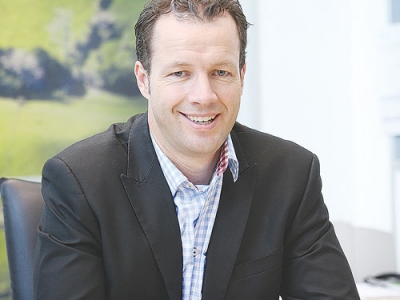 Tim Mackle.
DairyNZ is throwing its support behind farmers suffering from the downturn in milk prices.
A boost to its Tactics for Tight Times campaign will help farmers cope with a “very tough and grim season,” says chief executive Tim Mackle.
Fonterra’s opening milk forecast of $5.25/kgMS for this season will “by our calculations translate into an average farmer’s milk income dropping by $150,000 for this next season,” says Mackle.
“We’ve worked out that the breakeven milk price for the average farmer [will be] $5.70 kgMS, yet under this forecast scenario they’ll only be receiving $4.75 farm income including retro payments from last season and dividends.
“Annual farm working expenses will need to be reduced to minimise increasing debt levels further. The flow-on impacts on the local economy will be significant as that money gets spent on things like feed, fertiliser, repairs and maintenance. There will also be less capital spending in our sector.”
Most farmers will likely have negative cashflows for much of the next 12 months leading to an increase in debt and overdraft expenses to get their businesses through another low milk price season.
DairyNZ will advise and support farmers to help them cope with the decisions they will have to make, says Mackle. “We don’t know when milk prices will pick up so we planning for the worst but hoping for the best.
“This will be the lowest milk payment [this side of] Christmas since 2006-07… challenging for a lot of farmers but also an opportunity to strengthen the resilience of our industry if we can use it to become more efficient in how we farm. Ultimately this challenge could make us more competitive if we use it to drive efficiency in our businesses.
“Many of our farmers have coped with low milk prices in the past, and so this isn’t new for a lot of people, or even too unexpected given where global milk prices have been heading.
“Farmers have been preparing for the worst case scenario – and this is pretty much it – so now it’s a matter of everyone pulling together to cope with it. We’ll particularly need to support farmers who have just bought farms or who are first year sharemilkers as they will have more debt to manage. Lower order sharemilkers are also under immense pressure as they have little wriggle room.”
DairyNZ intends to shift its Tactics for Tight Times campaign to a seasonal calendar of advice on ‘farming fundamentals’ that will look to give farmers targeted advice on key decisions, Mackle says.
“We want to give them the right advice at the right time when they will be making the big calls. We’ll be working with our case study farmers and other farmers to help shape that support and share tips and tactics around the regions on getting through a low milk price cycle.”
DairyNZ’s whole farm assessment approach will be used to map out where a farmer can make the most cost-efficient gains onfarm.
“This kind of thinking helps customise actions to an individual farmer’s particular situation. It’s a good way of working out how you can take costs out of your farming system in the short term without affecting your long term plan or profitability too much.
“We’ve been planning to run this ramped up support approach for at least the next 18 months. We know that the payments farmers will get through the winter will be particularly low and that’s why we’ve been pushing everyone to do a cashflow budget. Farmers have got to know their situation if they are going to develop a plan to cope with it. You’ve got to know how low you will go and how long you will stay there.
“Keeping things in perspective [is crucial]. Farmers will be looking for help to make smart choices. It can be hard to think straight and make good decisions if you are under stress and pressure. We’ll be bringing all our industry together – the rural support trusts, the banks, the Dairy Women’s Network and others – to co-ordinated the effort.
“We need an industry safety net around our farmers to look after their mental wellbeing too,” says Mackle.
Today, 15 October, is the International Day of Rural Women, which recognises rural women’s contribution to farming, communities and the environment.
The first major update to the Dairy Cattle Code of Welfare in more than a decade has been released, marking what DairyNZ describes as an important step in ensuring animal welfare standards continue to evolve alongside scientific evidence and on-farm realities.
Have a plan in place for your cows and staff.
DairyNZ deputy chair Cameron Henderson has been re-appointed unopposed for another term.
OPINION: The stats speak for themselves.


Federated Farmers has welcomed new rural policies released by ACT, saying they align closely with its own election priorities.

Rural Contractors NZ says proposed changes to land transport rules for agricultural vehicles are a welcome response by the Government to out of date regulations which have seen members hit with huge fines.
Alliance is calling for final applications for its 2027 Graduate Programme, with applications closing on Sunday 25 October.
Decades piloting planes has ensured vet and farmer David Hayes is focused on safety. So, after a serious accident while welding on farm, he is sharing his experience so others can learn from it.
Canterbury milk processor, Synlait Milk has confirmed Leon Fung as its chief executive officer.
OPINION: Making it easier to collect rainwater and use it to grow crops and livestock is a no brainer.