Science coming second in water decisions
Emotions and values now come first in water quality assessment and science comes second, says a water quality specialist with DairyNZ, Tom Stephens.
 increase font size

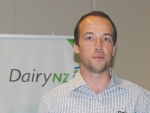
DAIRYNZ CHIEF scientist Dr Eric Hillerton has decided to semi-retire, leaving his post at the industry body later this year.
Dr Hillerton says the direct involvement with dairy farmers as a DairyNZ scientist has been rewarding, understanding the real problems on farms and helping develop solutions and new technologies.
"Much of the value of that science lies in taking research and knowledge directly to farmers, and testing how to apply and transfer innovative technologies and solutions," says Dr Hillerton.
There have been many highlights during his time with DairyNZ. "I am especially proud of the quality of the scientific research at DairyNZ, which has become outstanding. We now have top scientists here who are truly world-leading," says Dr Hillerton. "An example is our work identifying genetics involved in feed conversion efficiency by dairy cows.
"That work was recently awarded gold status by the Ministry of Business, Innovation and Employment, and won a Kudos award (Hamilton Science Excellence Awards) late last year.
"Now the science team and others, including New Zealand Animal Evaluation Ltd (NZAEL) and Livestock Improvement (LIC), are putting a lot of effort into getting the research findings rolled out to all New Zealand dairy farmers through better bulls," says Dr Hillerton.
"Various other projects are also likely to produce real benefits in the future, including growing more feed, improving fertility through better uterine health and finding natural resistance to mastitis."
DairyNZ chief executive Tim Mackle says Dr Hillerton has made a great contribution to the New Zealand dairy industry over the past seven years.
"Eric has driven a significant improvement in science quality and output, and his relentless focus has had real benefits for farmers," says Dr Mackle. "Farmers can have more confidence in adopting science-based recommendations, thanks to the quality of science and the resulting publications."
Dr Hillerton has also been heavily involved with universities, the Royal Society of New Zealand and many others, helping ensure a 'pipeline' of new young dairy scientists. "It's vital we encourage, train and mentor the next generation of researchers to replace the older guys who are moving into retirement."
Dr Hillerton joined Dexcel (now DairyNZ) in 2006 from the Institute for Animal Health in the United Kingdom (UK). His early research career was spent at the University of Reading and the National Institute for Research in Dairying.
He is the New Zealand member of the International Dairy Federation standing committees on animal health and welfare, and farm management; and a past-president of the international National Mastitis Council. Previously, he was an advisor to the UK Government.
Dr Hillerton plans to semi-retire in July but will continue to contribute to New Zealand dairy farming through various projects.
"The chief scientist role is a key position for DairyNZ, given that significant levy funding goes on research and development as a part of driving our industry's strategy and future. We'll be approaching this recruitment with a great deal of effort," says Dr Mackle.
Emotions and values now come first in water quality assessment and science comes second, says a water quality specialist with DairyNZ, Tom Stephens.
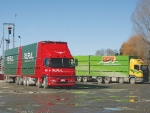
Trucking firm are coming under particular scrutiny about transporting cows that aren’t fit to travel, says Chris Leach, DairyNZ senior developer - animal husbandry and welfare.
The Waikato Regional Council plans to hold another farm planning and environmental sustainability field day after the success of their last event at the Kaniwhaniwha Stream.
National average somatic cell count (SCC) levels have been dropping recently and are on track to reach a bulk milk SCC of 150,000 cells/ml by 2016.
Vastly improving a poorly performing paddock led to Waiuku farmer Robert Garshaw winning the first-year pasture category of DairyNZ’s Pasture Renewal Persistence competition.
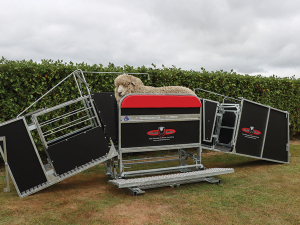
Oamaru-based livestock handling specialist Te Pari has bought Combi Clamp, the New Zealand manufacturer of Combi Clamp manual sheep handlers.
Agriculture Minister Todd McClay has admitted that a scheme bringing workers from Pacific nations to work on orchards has become too hard to navigate but says changes are coming.
A new app designed in New Zealand aims to help sheep, beef and deer farmers capture, analyse and use body condition score data more effectively.
Canterbury farmer Andy Macfarlane has been appointed to the board of AgriZeroNZ, the public-private partnership designed to accelerate the development and deployment of emissions reduction tools for New Zealand farmers.
For over 50 years Mel Ewers has been supporting the apple sector navigate through compliance and quality assurance issues.
The apple sector is enjoying a bumper harvest season.