Importer: Fertiliser Security Policy Must Include All Players
An independent importer says National’s fertiliser security policy will only work if protects all players.
 increase font size
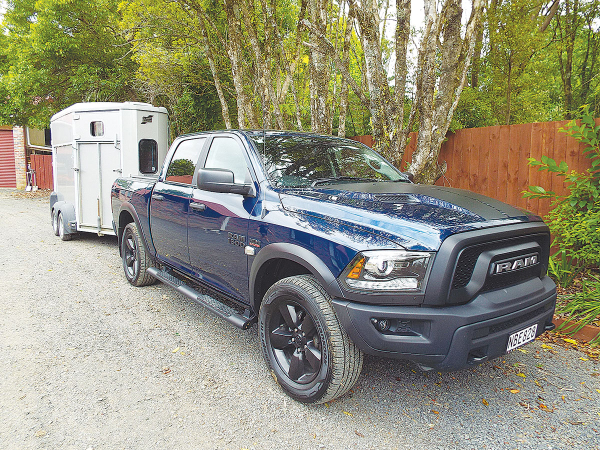 The proposal could have seen utes costing more than $80,000 taxed at 100% of their value (capped at $80,000).
Selecting the reverse gear quicker than a lovestruck boyfriend who has met the in-laws for the first time, the Coalition Government has confirmed that the proposal to amend Fringe Benefit Tax (FBT) charged against farm utes has been canned.
The National Party decided to rule out Inland Revenue's proposal to dramatically increase the tax burden on work vehicles, which assumed that they were also being increasingly used for private use.
The sentiment being that the proposal would unfairly target the legitimate use of work vehicles.
While the previous Government's so-called "ute tax" was a one-off cost, the latest proposal could have seen utes costing more than $80,000 purchased by a farm business for farmers or shareholders taxed at 100% of their value (capped at $80,000) even if they were used almost exclusively for farm use.
The result would potentially result in an estimated tax burden of between $5,500 and $8,200 per annum.
Meanwhile, employees and sharemilkers supplied vehicles, under the proposal, would be liable for a tax liability of $1,800 to $2,700 annually on a $50,000 value vehicle.
Following the IRD consultation period that ended in early May, many of those likely to be affected and their financial advisors waited for clarification on what constituted work and private use.
At the time, it was suggested that under the new proposals, if a Ute left the farm to head into town to source fencing materials or calf feeed supplies, the off-farm journey, to and from town would be private use. This was even though the vehicle was undertaking a transport function as part of the the farm operations.
In a statement, the National Party went on to comment that it would not be hitting any Kiwis with new tax burdens on utes-full stop - and that included changes to FBT changes.
The decision to walk away from the proposal would appear to suggest that the government, and particularly the National Party, are listening to the rural industries.
An independent importer says National’s fertiliser security policy will only work if protects all players.
Beef + Lamb New Zealand says the National Party’s agriculture plan provides a strong basis for lifting productivity, supporting rural communities and recognising the sheep and beef sector’s environmental track record.
OPINION: Making it easier to collect rainwater and use it to grow crops and livestock is a no brainer.
National’s pledge to introduce 19 new national standards shows the party is serious about getting Wellington out of farming, Federated Farmers says.
Farmer-owned fertiliser company, Ballance Agri Nutrients is welcoming National’s plan to negotiate security agreements with key supplier countries to protect New Zealand-bound products from export restrictions and greater supply chain certainty.


Worst election result imaginable for New Zealand and not good for business confidence.
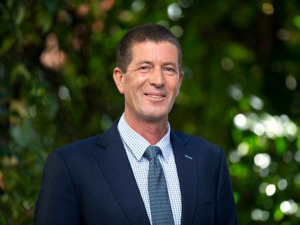
Associate Agriculture Minister, Mike Butterick has lost his Wairarapa seat in the final count released today.
Women across the dairy sector have an opportunity to invest in their leadership, education and professional development, thanks to a scholarship fund.
Three of New Zealand's leading primary sector organisations have joined forces to propose a new Food and Fibre Private Training Establishment (PTE).
OPINION: The World Dairy Summit, held in Auckland last week, delivered a poignant message – when it comes to global trade, the old order has passed away.
Deer Industry New Zealand (DINZ) has welcomed Government co-investment in a new $10 million programme aimed at increasing the value of New Zealand farmed venison, velvet and co-products and improving returns to deer farmers.