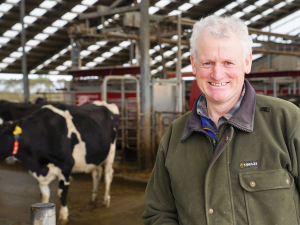
The situation has stabilised, he says; sales volumes have returned to levels before the co-op’s run-in with Sri Lankan authorities.
“We have been in the market for many years and we have a strong footprint; but it’s a very competitive market,” he told Rural News. Fonterra has been in Sri Lanka for about 50 years and its Anchor brand commands at least 60% market share.
But last August it faced product bans, court cases and angry demonstrators over its milk products. The company was banned by a Sri Lankan court from selling or advertising its products after the food safety authorities said they found high levels of the agricultural chemical dicyandiamide in two batches of milk powder.
Fonterra vigorously disputed the finding and a court order later removed the ban, allowing the trade to continue.
Two months ago the Government again suspended the sale of some Anchor milk powder over food safety fears. Fonterra’s testing had cleared the product and the ban was lifted.
Sri Lanka produces only 42% of its milk requirements and imports the remainder at a cost of US$300 million a year. The Government has a long-term commitment to increase domestic milk production.
Wilson insists Fonterra supplies “high quality milk… appreciated by consumers of Sri Lanka. We have also invested alongside our farmer suppliers in Sri Lanka; we are working with them to improve animal husbandry and farming techniques and to get high quality milk off those farms.”
Last week Primary Industries Minister Nathan Guy was in Sri Lanka and met President Mahindra Rajapaksa and several Sri Lankan ministers.
“Our two countries are building a stronger relationship through the New Zealand-Sri Lanka Dairy Cooperation Arrangement (DCA)… our commitment to the development of Sri Lanka’s dairy industry,” says Guy.
“New Zealand has one of the world’s most efficient dairy industries, and a lot of valuable expertise to share with Sri Lankan dairy producers.
“There are only 280,000 cows in Sri Lanka compared with 5 million in New Zealand and they are keen to improve their productivity. Genetics, animal husbandry, feeding techniques and technology can all play a part in this.”
Initiatives under the DCA include five years of veterinary education costing $2.2 million, animal nutrition and veterinary exchanges.
In Sri Lanka Guy laid a foundation stone at the new Fonterra milk chilling station in Gampaha.