New Dairy Holdings CEO Backs Self-Contained Model
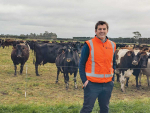
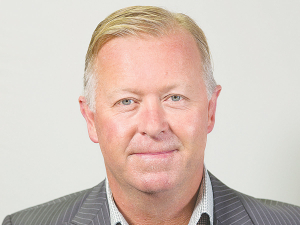
Running a tight and self-contained ship is the key to the success of the country's largest dairy farmer, says Blair Robinson, the new man at the helm of Dairy Holdings.
 increase font size
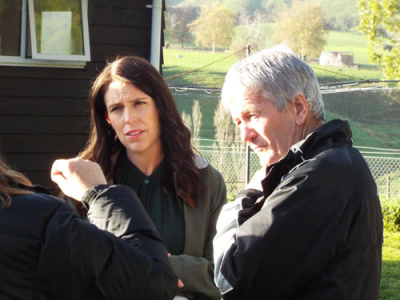 Prime Minister Jacinda Ardern and Agriculture and Biosecurity Minister Damien O’Connor.
The Government and farmers have agreed to attempt to eradicate cattle disease Mycoplasma bovis from New Zealand.
Swifter compensation has been promised to affected farmers. The estimated cost of the eradication programme is $886 million.
Prime Minister Jacinda Ardern and Agriculture and Biosecurity Minister Damien O’Connor say the country and industry have “one shot” at eradicating a disease that causes painful, untreatable illness in cattle.
The decision was taken collectively by Government and farming sector bodies after months of intense modelling and analysis to understand the likely impacts of the disease, the potential spread and the costs and benefits of eradication versus other actions.
“Today’s decision to eradicate is driven by the Government’s desire to protect the national herd from the disease and protect the base of our economy – the farming sector,” Jacinda Ardern says.
“We’ve worked hard to get the information to make this call and I know the past 10 months have been hugely uncertain for our beef and dairy farmers.
“Speaking with affected farmers in recent weeks it is obvious that this has taken a toll, but standing back and allowing the disease to spread would simply create more anxiety for all farmers.
“This is a tough call – no-one ever wants to see mass culls. But the alternative is to risk the spread of the disease across our national herd. We have a real chance of eradication to protect our more than 20,000 dairy and beef farms, but only if we act now.”
The decision will provide some certainty to farmers.
However, Ardern says at the same time it will be terribly painful for those farmers who are directly affected.
“Both Government and our industry partners want those farmers to know support is there for them.
“We are committed to working in partnership with the farming sector to ensure its long-term success. Today’s move reflects how important the success of the dairy and beef industries is to the prosperity of all New Zealanders.”
O’Connor says it was important all farmers showed a collective responsibility for the sake of the wider sector and get on-board with the eradication operation.
Running a tight and self-contained ship is the key to the success of the country's largest dairy farmer, says Blair Robinson, the new man at the helm of Dairy Holdings.
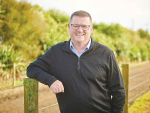
OPINION: It's no surprise that "world-class biosecurity" continues to dominate as the top priority for agribusiness leaders, holding the number one spot for the 16th consecutive year in KPMG's latest agribusiness report.
Compensation assistance for farmers impacted by Mycoplama bovis is being wound up.
New Zealand's world-first Mycoplasma bovis eradication programme is making great strides but this isn't the time for complacency, says Ospri.
A national pest management plan to eradicate Mycoplasma bovis (M. bovis) will come into effect by the end of this year.

Federated Farmers has welcomed new rural policies released by ACT, saying they align closely with its own election priorities.
Rural Contractors NZ says proposed changes to land transport rules for agricultural vehicles are a welcome response by the Government to out of date regulations which have seen members hit with huge fines.
Alliance is calling for final applications for its 2027 Graduate Programme, with applications closing on Sunday 25 October.
Decades piloting planes has ensured vet and farmer David Hayes is focused on safety. So, after a serious accident while welding on farm, he is sharing his experience so others can learn from it.
Canterbury milk processor, Synlait Milk has confirmed Leon Fung as its chief executive officer.
OPINION: Making it easier to collect rainwater and use it to grow crops and livestock is a no brainer.