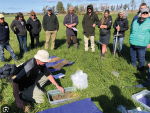
Catch the Rain: B+LNZ Trials Boost Soil Infiltration
Beef + Lamb NZ funded research has shown that some simple changes to pasture management could help farmers make better use of rainfall and build resilience before dry conditions hit.




 increase font size
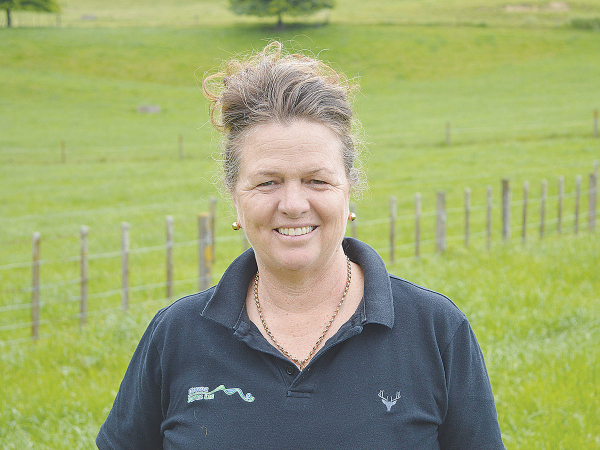 DairyNZ chair Tracy Brown.
Compensation assistance for farmers impacted by Mycoplama bovis is being wound up.
The DairyNZ Beef + Lamb New Zealand Compensation Assistance Team (DBCAT) was set up in 2018 to help farmers prepare compensation claims during the M. bovis outbreak.
During the past seven years, 1,370 farmers have used the free service with more than 2,130 claims being finalised.
More than $161 million in claims were submitted by the service on behalf of farmers, including $88 million from dairy farmers and $40 million from beef farmers.
It is estimated that the service saved the M. bovis eradication programme more than $10 million by finding smart farm-systems solutions that mitigated the need for a claim.
DairyNZ head of biosecurity Fi Roberts says the service played an important part in supporting farmers through a tough time.
"We know how hard it was for farmers, which is why we wanted to support those affected by getting them through the compensation claim process as quickly as we could.
"By having a dedicated team, claims could be processed faster and farmers compensated more quickly," she says.
DairyNZ chair Tracy Brown says eradicating M. bovis has been one of the most significant biosecurity challenges the sector has ever faced.
"That's why it was important that the service was operated independently of Government so we could provide specific advice and guidance to help farmers through."
Beef + Lamb New Zealand chair Kate Acland said DBCAT played an important role in helping farmers navigate what was one of the toughest times in their farming careers.
"The service not only made the compensation process more accessible and efficient, but it also ensured farmers had someone in their corner who understood their operation and their stress. We're proud of this partnership that delivered this support and of the legacy DBCAT leaves in showing how the sector can come together in a time of need."
DairyNZ partnered with the Ministry for Primary Industries (MPI) and Beef + Lamb New Zealand to lead the response phase of the M. bovis eradication programme.
The M. bovis programme is now seven years into a 10-year eradication plan, with currently no active, confirmed properties. The programme transitioned to the M. bovis National Pest Management Plan (NPMP) on 1 January 2025, with OSPRI is implementing.
The DBCAT service closed on June 30 with MPI directly handling any new or unresolved claims.
Lessons learned and expertise developed within all the partners continues to inform planning for future incursions, such as Foot and Mouth Disease.
Beef + Lamb NZ funded research has shown that some simple changes to pasture management could help farmers make better use of rainfall and build resilience before dry conditions hit.
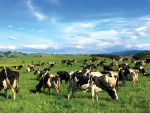
The first major update to the Dairy Cattle Code of Welfare in more than a decade has been released, marking what DairyNZ describes as an important step in ensuring animal welfare standards continue to evolve alongside scientific evidence and on-farm realities.
Beef + Lamb New Zealand (B+LNZ) says it welcomes the passage of the Natural Environment Bill and Planning Bill, calling the bills a positive step for sheep and beef farmers.
Have a plan in place for your cows and staff.
If you're thinking about investing in ways to push feed forward, this is the year to do it.

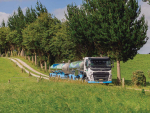
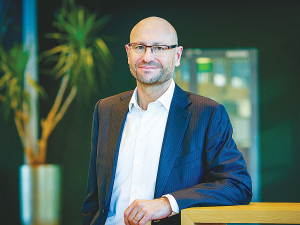
Farmer-owned fertiliser company, Ballance Agri Nutrients is welcoming National’s plan to negotiate security agreements with key supplier countries to protect New Zealand-bound products from export restrictions and greater supply chain certainty.

Carrfields has announced the appointment of Stu Hall to the newly created role of chief operating officer, Carrfields Ltd, reflecting the continued growth of their agribusinesses and the need to ensure the company has the leadership capacity and support in place as it pursues the emerging opportunities ahead.
New Zealand's role is not to compete with Indian growers, according to NZ Apples and Pears.
The potato industry is celebrating the success of two rising stars - James Blair, the 2026 Young Grower of the Year and runner-up and innovation award winner, Amber Davy.
Twenty-eight emerging leaders from across the horticulture sector spent two days last month learning valuable skills and connecting with industry experts.
There are five entrants in this year’s Young Horticulturist of the Year, competing in a series of technical, practical, business and leadership challenges.
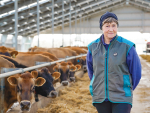
OPINION: It seems Canterbury processor Synlait is still in the doldrums.
OPINION: Get offside with New Zealand First leader Winston Peters at your own peril.