
Federated Farmers Backs Year 11 Agricultural Science
Federated Farmers is backing Feilding High School’s call to keep Agriculture and Horticultural Science as a standalone subject in Year 11.




 increase font size
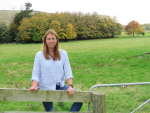
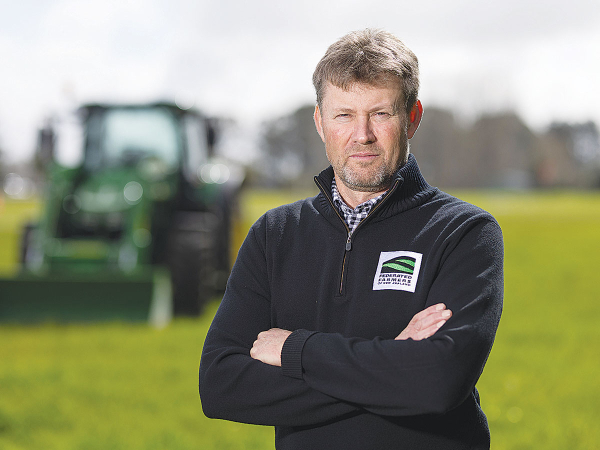 Federated Farmers infrastructure spokesman Mark Hooper.
Federated Farmers says the Government’s latest investment in road resilience is a positive step toward protecting rural communities and freight routes from increasing severe weather events.
Mark Hooper, Federated Farmers' infrastructure spokesperson, says additional funding for vulnerable rural roads has long been needed.
"Federated Farmers has been calling for more funding for rural roads and key regional freight and access routes," Hooper says.
Transport Minister Chris Bishop and Finance Minister Nicola Willis say communities vulnerable to severe weather and natural hazards will benefit from major new investments announced in Budget 2026.
“The Budget invests in stronger infrastructure, better hazard information, smarter emergency management systems, and improved financial preparedness,” Nicola Willis says.
“We can’t stop severe weather events from happening, but we can be much better prepared for them," she says.
Chris Bishop says funding of $400 million has been set aside for state highway resilience projects to help keep critical routes open during and after severe weather events.
“We know where many of the weak points on the network are," Bishop says. "This investment allows us to strengthen them before roads fail, rather than repeatedly paying to rebuild them afterwards."
Projects funded through the resilience package include improvements on:
“These are roads that communities, freight operators and tourists rely on every day. When they close, the impacts are felt far beyond the immediate area," Bishop says.
Hooper says investing in preventative resilience measures is more cost-effective than repeatedly repairing infrastructure after floods and storms.
"This is in line with the truism that ‘a stitch in time, saves nine’. Building in better resilience ahead of the next flood or storm makes sense," he says.
"We can’t continue to see communities like the East Coast or Golden Bay cut off every time a major rain event occurs."
Ultimately, however, if experience shows a route or piece of public infrastructure continues to be highly vulnerable to weather events, investigation and funding of alternatives is needed.
"The cost of repeated highway and rural road patch-ups quickly mount.
"As the Infrastructure Commission has pointed out, New Zealand needs an agreed, prioritised 30-year pipeline of infrastructure upgrading to build and retain a skilled workforce," Hooper concludes.
Federated Farmers is backing Feilding High School’s call to keep Agriculture and Horticultural Science as a standalone subject in Year 11.

Mark Hooper has been appointed the new chair of NZPork, the industry organisation representing New Zealand pig farmers.
National’s pledge to introduce 19 new national standards shows the party is serious about getting Wellington out of farming, Federated Farmers says.
Mobile phone coverage and reliability are deteriorating in rural areas, and farming families are bearing the cost, according to a Federated Farmers survey.
Central Otago District Council (CODC) has voted against a plan to spread treated sewage sludge from Cromwell and Alexandra on farmland near Lauder, a decision Federated Farmers says reflects strong opposition from rural residents.


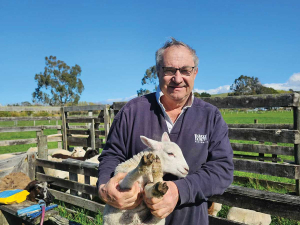
Decades piloting planes has ensured vet and farmer David Hayes is focused on safety. So, after a serious accident while welding on farm, he is sharing his experience so others can learn from it.
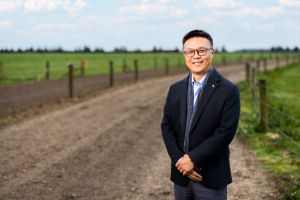
Canterbury milk processor, Synlait Milk has confirmed Leon Fung as its chief executive officer.
OPINION: Making it easier to collect rainwater and use it to grow crops and livestock is a no brainer.
As part of its Election 2026 coverage, Rural News asked political parties how they would help pull the arable sector out of the doldrums. Here's what they said:
Farmers are being encouraged to rethink how they manage waste on farm with the launch of ruralwastesorted.co.nz, a new website bringing together practical tips, real farmer experiences and resources.
New Zealand Winegrowers (NZW) is celebrating the India-New Zealand Free Trade Agreement (FTA) coming into force today, bringing New Zealand wine improved access to one of the world’s fastest-growing economies.


OPINION: The same mainstream media muppets that brought you Jacindamania in 2017 have been flat out pimping for the Opportunities…
OPINION: Your old mate reckons the atrocious way farmers in the UK are treated by their lords and masters in…




