Fonterra FY26 Results: $9.69 Milk Price, $3.4bn Profit
Fonterra has unveiled its annual results for the 2026 financial year, posting $27 billion in revenue and close to $20 billion returned to New Zealand farmer owners and unit holders.
 increase font size
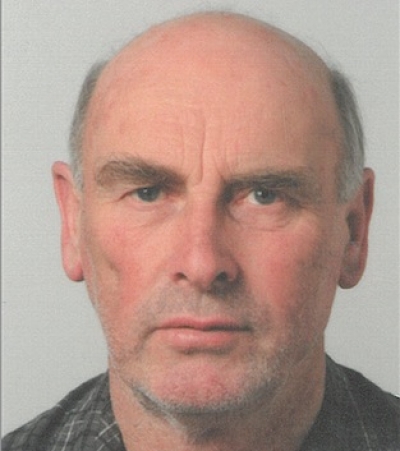
FONTERRA’S EXPANSION strategy should go on hold when its farmer suppliers aren’t getting a good return, says a shareholder who has tabled a remit for the cooperative’s annual meeting November 12.
“They’ve just got to stop spending for a while and consolidate a bit,” Murray Beach, Marlborough, told Dairy News. “I feel they’re doing a lot of spending while we’re not getting a lot of money.”
Beach says his remit isn’t a knee-jerk reaction to this year’s low forecast. Rather, it reflects two poor years, followed by one good, and now a “really bad year.”
“We should be getting more money from Fonterra than the other milk companies are paying their suppliers but we’re not.”
Beach’s remit, resolution 7 in Fonterra’s notice of annual meeting document, says overseas investment and New Zealand development spending should be put on hold when the payout is below $7/kgMS.
“They’ve got to think about the farms which aren’t going to make it. There are going to be a lot of farms sold up at the end of this season.”
And it’s not just farmers: staff and local economies are already feeling the hit, he adds. “We’ve already had to put one worker off.”
With 130 cows producing about 40,000kgMS off his farm at Havelock, $5/kgMS means “there’s not a lot of income” to meet ever-rising costs.
Beach says he’s not totally against Fonterra’s development plans, particularly those in New Zealand, but believes the cooperative should reduce debt (see sidebar) before embarking on more expansion which is effectively at farmers’ expense.
Asked if Fonterra is ‘living beyond its means’, he says: “That’s what the bank manager would tell us!”
Fonterra released its notice of annual meeting, including Beach’s resolution, to NZX on October 17. It includes a letter from chairman John Wilson which refers to all resolutions but Beach’s.
In the explanatory notes to resolutions, a statement that the “board unanimously does not support [Beach’s] proposal and recommends that you vote against it” is highlighted in bold, the only bold text used in the document other than headings and remuneration figures.
Beach says the board’s recommendation “isn’t cricket”. “Voters should be able to make up their own minds.”
He also says postal voting on such a resolution before the issue is debated at the annual meeting “doesn’t seem very democratic.” “I’ve been asked by [Fonterra] management if I want to go to speak at the meeting out of courtesy but by then 80% will have already voted.”
The notice also includes a shareholders council recommendation to vote against Beach’s proposal, saying the council debated the resolution at its September meeting and unanimously voted not to support it.
Fonterra has unveiled its annual results for the 2026 financial year, posting $27 billion in revenue and close to $20 billion returned to New Zealand farmer owners and unit holders.
Fonterra Co-operative Group has confirmed the independently assessed candidates standing for election to its board in 2026.
Fonterra has revised its Farmgate Milk Price forecast for the 2026/27 season, lifting the midpoint and narrowing the range on the back of improving global dairy commodity prices.
Outgoing Fonterra Co-operative Council chair John Stevenson says that it has been a privilege to represent the co-op's farmer shareholders.
OPINION: It seems Canterbury processor Synlait is still in the doldrums.


Federated Farmers says it welcomes Labour's commitment to reviewing the Sharemilking Agreements Act, calling on other major parties to do the same.
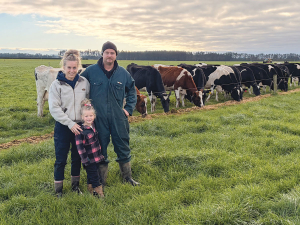
For Canterbury dairy farmers Sian Meijer and Rick Wobben, wearable technology has become one of their most valuable on-farm tools - helping manage 1850 cows across an expansive, high-performing dairy operation while improving efficiency, mating outcomes and day-to-day decision making.
Fonterra has unveiled its annual results for the 2026 financial year, posting $27 billion in revenue and close to $20 billion returned to New Zealand farmer owners and unit holders.
The first major update to the Dairy Cattle Code of Welfare in more than a decade has been released, marking what DairyNZ describes as an important step in ensuring animal welfare standards continue to evolve alongside scientific evidence and on-farm realities.
Ravensdown shareholders have elected Jane Montgomery and Kate Acland to the Ravensdown Board for three-year terms, following a closely contested director election.
Federated Farmers says new legislation replacing the Resource Management Act will cut red tape, unlock investment and help grow New Zealand's export-led economy, after the Planning Bill and Natural Environment Bill passed their third reading in Parliament yesterday.