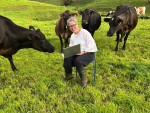
International Day of Rural Women: Two DairyNZ Farmers’ Stories
Today, 15 October, is the International Day of Rural Women, which recognises rural women’s contribution to farming, communities and the environment.
 increase font size
 DairyNZ chief executive Campbell Parker.
DairyNZ says a more integrated and sustainably-funded biosecurity system is needed as part of changes to the Biosecurity Act 1993.
Earlier this year, the Government announced a public consultation on amendments to the Biosecurity Act in a bid to strengthen the biosecurity system.
DairyNZ chief executive Campbell Parker says a strong biosecurity system is crucial to safeguard and protect the future of New Zealand dairy farming.
“The current system is fragmented and is funded through multiple levies, each with their own legislative provisions and administration,” Parker says.
He says the different programmes often have the same stakeholders and this duplication is frustrating for many farmers.
“We would like to see a more integrated and sustainably-funded biosecurity system that prioritises investment in readiness to make sure we are prepared for any future biosecurity events,” Parker says.
In its submission, DairyNZ highlights the proposed changes to the Government Industry Agreement (GIA) for readiness and response, and provides feedback on proposed changes to compensation settings and eligibility under the Act.
Parker says New Zealand needs to invest in appropriate system-wide preparedness for major biosecurity events to reduce the impact on the sector.
“Our current Biosecurity Act is over 30 years old, and these new proposed amendments will look to modernize the act,” he says.
“Change is needed and DairyNZ welcomes the opportunity to work with the Government to make sure the voices of dairy farmers are heard.
“We remain focused on talking to our farmers around the country to share updates, information, answer questions, provide examples and represent their views during this important consultation period,” Parker concludes.
Today, 15 October, is the International Day of Rural Women, which recognises rural women’s contribution to farming, communities and the environment.
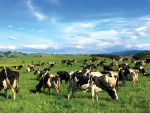
The first major update to the Dairy Cattle Code of Welfare in more than a decade has been released, marking what DairyNZ describes as an important step in ensuring animal welfare standards continue to evolve alongside scientific evidence and on-farm realities.
Have a plan in place for your cows and staff.
Bovine Viral Diarrhoea (BVD) is sometimes viewed as a dairy industry issue, but the reality is that the disease can have serious consequences for beef breeding herds as well.
DairyNZ deputy chair Cameron Henderson has been re-appointed unopposed for another term.


Federated Farmers has welcomed new rural policies released by ACT, saying they align closely with its own election priorities.

Rural Contractors NZ says proposed changes to land transport rules for agricultural vehicles are a welcome response by the Government to out of date regulations which have seen members hit with huge fines.
Alliance is calling for final applications for its 2027 Graduate Programme, with applications closing on Sunday 25 October.
Decades piloting planes has ensured vet and farmer David Hayes is focused on safety. So, after a serious accident while welding on farm, he is sharing his experience so others can learn from it.
Canterbury milk processor, Synlait Milk has confirmed Leon Fung as its chief executive officer.
OPINION: Making it easier to collect rainwater and use it to grow crops and livestock is a no brainer.