Fewer bobby calves are heading to the works this season, as more dairy farmers recognise the value of rearing calves for beef.
Industry data shows bobby calf numbers are down significantly – 18.5% in the North Island and 28% in the South Island.
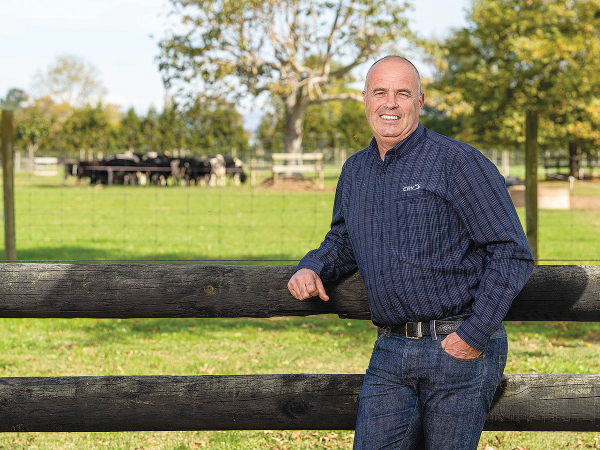
CRV managing director James Smallwood says the shift reflects the industry’s growing focus on, efficiency, and value creation.
“Farmers are making smarter breeding decisions that not only support herd improvement but also deliver stronger returns,” says Smallwood.
“By using beef genetics across their lower-performing cows and sexed genetics on their best, they’re adding value to every calf born and meeting increasing demand for quality dairy beef calves.”
CRV’s sales data shows dairy beef straws now account for 14% of total straw sales – up from just 8% in 2021.
The most popular breeds remain Charolais and Hereford. A new entrant to CRV’s line-up, Changus (Charolais and Angus cross), has also been well received, making up 10% of dairy beef sales in its first season.
Maddie Drew, CRV’s product manager for dairy beef, says rising demand for beef from dairy herds and farmers’ strategic use of beef genetics are driving growth.
“Farmers now have better access to herd data and tools that help them identify their top and bottom performing cows,” she says.
“That insight means they can make more informed breeding decisions – not just which cows to mate to beef, but also which beef breeds best suit their farm system and goals.
“When selecting beef sires, calving ease continues to be the number one priority for dairy farmers,” Drew adds. “Coat colour also plays an important role, as it can influence the marketability and value of calves, plus allows for easy identification.”
Meanwhile, Smallwood says processors and beef suppliers right through to the consumer are putting more emphasis on sustainability – a focus that isn’t going away any time soon.
“This shift is about more than just genetics,” he says.
“Beef suppliers and consumers are increasingly focused on sustainability, and that’s shaping demand right through the supply chain.
“Our job as a sector is to work together to ensure dairy farmers have the right range of beef genetics – along with the advice and data – to fit their mating plans and make every calf count. The momentum behind dairy beef is clear, and farmers are seeing real value in being able to choose sires that align with their herd goals.”