Biosecurity Ranked Top Priority In KPMG Agribusiness Agenda 2026
According to new research, industry leaders have ranked world-class biodiversity as the number one priority for the 16th year in a row.
 increase font size
 ODH’s ‘income’ for the six months was $419,000, including $403,000 cash at bank, $10,000 from sale of intellectual property and $5000 bank interest.
The liquidation of failed co-operative Organic Dairy Hub is continuing, and net proceeds will be distributed to farmer shareholders once final tax obligations have been met, according to the liquidators.
Leon Francis Bowker and Luke Norman of KPMG, appointed as joint liquidators on November 29 last year, presented their six-month report earlier this month.
According to the report, ODH’s ‘income’ for the six months was $419,000, including $403,000 cash at bank, $10,000 from sale of intellectual property and $5000 bank interest.
Expenditure during the six months reached $14,000 including $12,400 relating to liquidators’ remuneration and expenses.
The liquidators says that over the past six months they facilitated the winding up of two subsidiaries, payment of outstanding creditors and a review of the company’s constitution and proposed distribution to shareholders.
“The liquidators will continue to facilitate the windup of the two subsidiaries and consolidate any distribution from the subsidiaries. The liquidators will prepare final tax matters for the company. The balance of net proceeds will be distributed to the shareholders once final tax obligations have been met,” the report says.
ODH, touted as New Zealand's only 100% farmer-owned organic milk producer, was placed into voluntary liquidation by its directors.
ODH collected milk daily from its farmer base, stretching from Northland to Wairarapa. About 20% of that milk was turned into milk powders and nutritional products, processed at Waikato Innovation Park in Ruakura and generally exported to Australia and Asia, with some New Zealand customers as well.
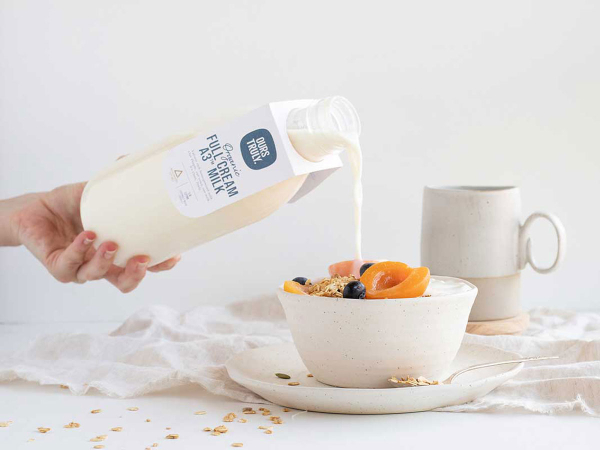
It also produced ‘Our's Truly’ brand liquid and UHT milk, and cheese using third party processors. The products were sold locally and exported.
According to documents lodged with the Companies Office, ODH directors Michael Allen Brown, Cameron Farrand, Sharleen Gardner, John Wafer, Frank Goodin and Ian Cumming voted to liquidate the company on November 22 last year.
The directors declared that after making an inquiry into the affairs of the company, they were confident that the company was able to pay off its debts in full within 12 months.
No reason was given for the demise of ODH by its directors.
In their first report, the liquidators said the company was being wound up after ceasing trading.
“After paying any remaining creditors, remaining funds will be distributed to shareholders. This is a solvent liquidation and will remain solvent for the period of the liquidation,” the liquidators say.
According to new research, industry leaders have ranked world-class biodiversity as the number one priority for the 16th year in a row.

Biosecurity remains the top priority for agribusiness leaders, according to KPMG’s 2025 Agribusiness Agenda released last week.
OPINION: In the same way that even a stopped clock is right twice a day, economists sometimes get it right.
OPINION: Noted economist and self-promoter Cameron Bagrie took one look at KPMG's recently released Financial Institutions Performance Survey on banks and zeroes in one key number that suggests banks are so risk averse in this country that they are probably stifling growth and innovation.
OPINION: The demise of Organic Dairy Hub is official.


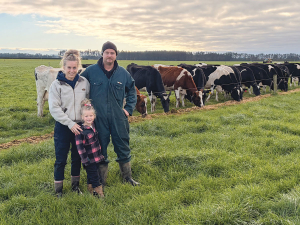
For Canterbury dairy farmers Sian Meijer and Rick Wobben, wearable technology has become one of their most valuable on-farm tools - helping manage 1850 cows across an expansive, high-performing dairy operation while improving efficiency, mating outcomes and day-to-day decision making.
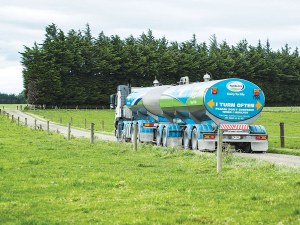
Fonterra has unveiled its annual results for the 2026 financial year, posting $27 billion in revenue and close to $20 billion returned to New Zealand farmer owners and unit holders.
The first major update to the Dairy Cattle Code of Welfare in more than a decade has been released, marking what DairyNZ describes as an important step in ensuring animal welfare standards continue to evolve alongside scientific evidence and on-farm realities.
Ravensdown shareholders have elected Jane Montgomery and Kate Acland to the Ravensdown Board for three-year terms, following a closely contested director election.
Federated Farmers says new legislation replacing the Resource Management Act will cut red tape, unlock investment and help grow New Zealand's export-led economy, after the Planning Bill and Natural Environment Bill passed their third reading in Parliament yesterday.
Leading figures from the major political parties will be questioned on their primary sector policies at the Rural Issues Debate at Mystery Creek Events Centre, Hamilton, on 30 September.