International Day of Rural Women: Two DairyNZ Farmers’ Stories
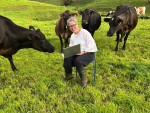
Today, 15 October, is the International Day of Rural Women, which recognises rural women’s contribution to farming, communities and the environment.
 increase font size
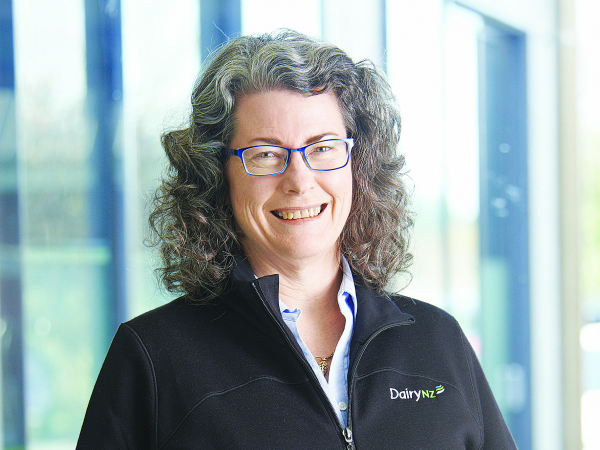 Sharon Morrell, DairyNZ, says only now do farmers feel they are back on top of things and they are getting better pasture quality.
A very wet warm October/November has put a damper on milk production in many parts of the North Island, according to DairyNZ.
Sharon Morrell, DairyNZ’s acting manager farm performance, says about a month ago things were going spectacularly well following a dry winter and a nice early spring. Then came October and November when she says the high soil temperatures caused the grass to grow like crazy.
She says some pasture started to go to seed and became stalkier and the quality of the grass deteriorated, resulting in a fall in milk production.
“People struggled to control the pasture and took extra silage while others resorted to topping,” she told Dairy News.
“Only now do farmers feel they are back on top of things and they are getting better quality pasture. They have had to scramble through November and milk production is now picking up and is back on par to what it was this time last year,” she says.
Morrell says while some farmers have taken extra silage, there is no guarantee that in all cases it will be of the highest quality. She also notes that it appears that less PKE has been contracted.
She says the good news about the rain and warm temperatures is some areas that were suffering badly from drought early in the year have now made a good recovery. An example of a region that has got itself into a better position is the Hauraki Plains.
“DairyNZ has done a lot of work with them. Hauraki Plain farmers have managed themselves pretty carefully during the early spring and they grew more pasture during winter than they would normally expect,” she says.
The weather has also been kind during calving and the signs are also promising that calving rates for next season will be good.
Looking forward over the next few months, Morrell says the meteorological advice is that a La Nina system will prevail, but she says this can be quite variable but for some regions can be very dry. She notes that the winter rains have helped recharge some dry soils, but has been told that the soil profile deeper down is still dry.
“So we are saying to farmers make sure you have a summer plan and know how much feed you are going to have to take into winter what is the drop dead reserves you don’t want to use. That will tell you how much you can afford to use and the best time to use it,” she says.
Morrell says farmers must make a plan and if they are thinking about switching to lower frequency milking, for example, it is always better to do that when things are looking reasonable rather than once feed is pinched. Sharon Morell says it’s about being proactive with those sorts of summer decisions.
Today, 15 October, is the International Day of Rural Women, which recognises rural women’s contribution to farming, communities and the environment.
The first major update to the Dairy Cattle Code of Welfare in more than a decade has been released, marking what DairyNZ describes as an important step in ensuring animal welfare standards continue to evolve alongside scientific evidence and on-farm realities.
Have a plan in place for your cows and staff.
DairyNZ deputy chair Cameron Henderson has been re-appointed unopposed for another term.
OPINION: The stats speak for themselves.


Federated Farmers has welcomed new rural policies released by ACT, saying they align closely with its own election priorities.

Rural Contractors NZ says proposed changes to land transport rules for agricultural vehicles are a welcome response by the Government to out of date regulations which have seen members hit with huge fines.
Alliance is calling for final applications for its 2027 Graduate Programme, with applications closing on Sunday 25 October.
Decades piloting planes has ensured vet and farmer David Hayes is focused on safety. So, after a serious accident while welding on farm, he is sharing his experience so others can learn from it.
Canterbury milk processor, Synlait Milk has confirmed Leon Fung as its chief executive officer.
OPINION: Making it easier to collect rainwater and use it to grow crops and livestock is a no brainer.