Rocky Road milk is here
Speciality milk producer Lewis Road Creamery is celebrating its 10th anniversary of iconic chocolate milk with a new flavour.
 increase font size
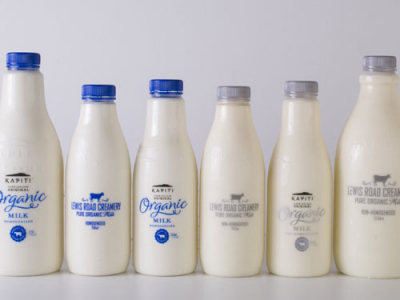
Premium dairy brand Lewis Road Creamery is switching to recycled (rPET) bottles for its milk range from the end of August.
The move is part of LRC’s commitment to the New Zealand Packaging Declaration, committing to 100% of its packaging being recyclable, reusable or compostable by 2025 or earlier.
Lewis Road is the first milk producer in the country to change to rPET bottles which are made from entirely recycled plastic; no new plastic is created to produce the bottles, which can then be continuously recycled.
The switch to rPET for its 750ml and 1.5 litre bottles will save approximately 210 tonnes of plastic being produced and imported into New Zealand each year. Lewis Road says the change will account for 80 percent of the plastic it uses.
“We know the dairy industry uses a lot of plastic and we want to take responsibility for our share of that,” says Lewis Road founder Peter Cullinane.
“We want to move quickly and do something now, so changing to a recycled plastic that can be recycled again and again is our first step.”
As part of a wider packaging review, Lewis Road has also become the first dairy company to sign up to the New Zealand Plastic Packaging Declaration, committing to more sustainable packaging solutions.
“We love fresh milk, but not fresh plastic. We believe bottles that require no new plastic are a great step.”
“And we’re closely assessing the feasibility of other options too, including glass. Longer term, we believe the answer will be a mix of solutions including both rPet and glass. The good news is that we can take this big step immediately and then keep going,” says Cullinane.
Lewis Road’s 750ml and 1.5 litre white and flavoured milk bottles will start to transition to rPET bottles from 27 August with the changeover expected to be complete by 17 September.
The bottles can be recycled as normal by consumers rinsing and placing them into their kerbside recycling bins.
Speciality milk producer Lewis Road Creamery is celebrating its 10th anniversary of iconic chocolate milk with a new flavour.

Premium dairy brand Lewis Road Creamery is celebrating a decade since the country went crazy for its iconic fresh chocolate milk.
One of New Zealand's largest dairy farmers won the 2024 'Food, Beverage and Fibre Producer' award at the NZ Primary Industries Awards.
OPINION: Boutique milk company Lewis Road Creamery’s latest offering to mark Matariki is unfairly facing heat from certain quarters of Māoridom, who are opposed to any commercialisation of all things Māori.
Corporate dairy farmer Southern Pastures has been judged to be a responsible investment leader for the seventh year running.


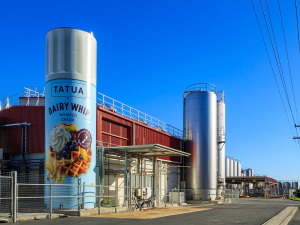
Waikato milk processor Tatua has again declared a record milk payout to farmer shareholders, leaving other processors in the dust.

A Labour-led Government won’t be bringing back the controversial freshwater rules of 2020.
National’s much-touted free trade deal with India featured in the Rural Issues Debate at Mystery Creek, Hamilton on Wednesday night.
New Zealand's 2026-27 freshwater fishing season has opened, with anglers encouraged to head to rivers and lakes over the coming days as conditions look favourable across much of the country.
Central Otago District Council (CODC) has voted against a plan to spread treated sewage sludge from Cromwell and Alexandra on farmland near Lauder, a decision Federated Farmers says reflects strong opposition from rural residents.
Pāmu has released its FY26 Integrated Annual Report, reporting a Net Operating Profit of $113 million, more than double the $49 million recorded in FY25.