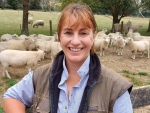
Mary Bowron Named Best Sheep and Beef Vet of the Year
B+LNZ's Wormwise veterinarian Mary Bowron has won the Best Sheep and Beef Vet of the Year Award in recognition of her outstanding contribution to New Zealand’s sheep and beef sector.




 increase font size
 World AMR Awareness Week last week has been a part of global action plan to tackle the growing problem of antimicrobial resistance (AMR).
Animal owners can help protect life-saving antibiotics from resistant bacteria by keeping their animals healthy, says the New Zealand Veterinary Association.
It says the World AMR Awareness Week last week has been a part of global action plan to tackle the growing problem of antimicrobial resistance (AMR), where pathogens such as bacteria become resistant to critical antimicrobial medicines like antibiotics.
Dr Annabel Harris, chair of the NZVA Antimicrobial Resistance (AMR) Committee, says judicial use of antibiotics is a priority for the animal health sector.
“Bacterial infections that are resistant to antibiotics can affect our pets and our livestock, and transfer between animals and humans and into the environment.
“We need to manage AMR as a One Health issue – that is that humans, animals and the environment are all connected. And we all have a role to play.
“Part of that is preventing the need to use antibiotics by keeping our pets healthy through good nutrition, good hygiene, regular health checks and vaccinations. And when antibiotics are prescribed by a veterinarian it is essential to give them to your pet as directed.”
“We should be proud of that. However, AMR is not going away. Bacteria that become resistant to antibiotics not only go on to reproduce survivors but can buddy up with other bacteria to share that resistant genetic material.
“So, we have to be judicious in how we use antibiotics and focus on the overall health of our animals to ensure these life-saving medicines continue to work as intended.”
Harris says for farmers, managing AMR requires a more holistic approach where antimicrobials like antibiotics are just one part of an integrated disease control programme.
“It’s about careful attention to a range of farm practices, including biosecurity measures, vaccinations, hygiene, disinfection procedures, good animal nutrition, appropriate housing, close herd/flock monitoring and staff/ management training.
“This can feel overwhelming for farmers. Have a chat to your vet. They are trained scientists who stay abreast of new research and are well-positioned to help you work out what is a good plan for you and your operation.”
B+LNZ's Wormwise veterinarian Mary Bowron has won the Best Sheep and Beef Vet of the Year Award in recognition of her outstanding contribution to New Zealand’s sheep and beef sector.
Equine veterinarians say horse owners need to stay alert and communicate with their vets following an outbreak of the highly contagious bacterial disease Strangles in the North Island.
Vets say they support the responsible use of virtual fencing and virtual herding technology for cattle and wants to work with farmers, manufacturers and government to help shape standards for future use backed by ongoing research to strengthen animal welfare outcomes.
Around 97% of New Zealand pet owners value the care provided by their vet teams, but the broader contribution of animal health professionals to society often goes unseen, a new study has revealed.
Taranaki veterinarian Dr Rob Mills is the new president of New Zealand Veterinary Association (NZVA).



Alliance is calling for final applications for its 2027 Graduate Programme, with applications closing on Sunday 25 October.
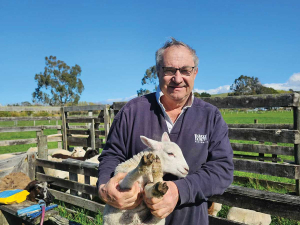
Decades piloting planes has ensured vet and farmer David Hayes is focused on safety. So, after a serious accident while welding on farm, he is sharing his experience so others can learn from it.
Canterbury milk processor, Synlait Milk has confirmed Leon Fung as its chief executive officer.
OPINION: Making it easier to collect rainwater and use it to grow crops and livestock is a no brainer.
As part of its Election 2026 coverage, Rural News asked political parties how they would help pull the arable sector out of the doldrums. Here's what they said:
Farmers are being encouraged to rethink how they manage waste on farm with the launch of ruralwastesorted.co.nz, a new website bringing together practical tips, real farmer experiences and resources.



OPINION: It seems Canterbury processor Synlait is still in the doldrums.
OPINION: Get offside with New Zealand First leader Winston Peters at your own peril.




