International Day of Rural Women: Two DairyNZ Farmers’ Stories
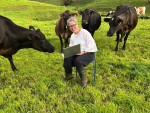
Today, 15 October, is the International Day of Rural Women, which recognises rural women’s contribution to farming, communities and the environment.
 increase font size
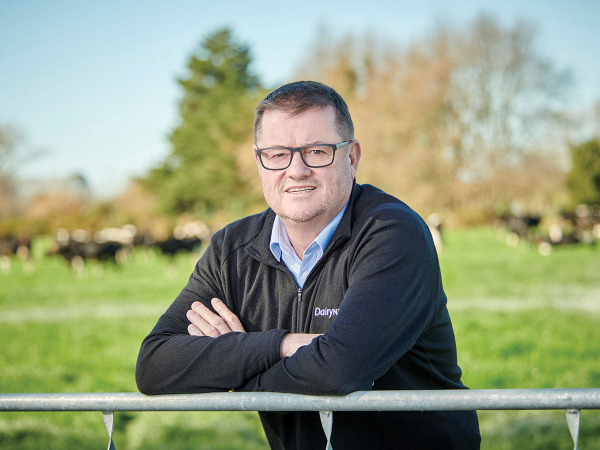 DairyNZ chief executive Campbell Parker says the industry must continue pushing productivity, efficiency and environmental outcomes.
The dairy industry cannot rest on its laurels despite providing one in every four export dollars earned by the country, says DairyNZ chief executive Campbell Parker.
He wants the industry to continue pushing productivity, efficiency and environmental outcomes.
"It's about investing in the future resilience of the dairy sector and making sure that we can continue to push the boundaries because we have plateaued in the last 15 years.
"So, how do we continue to push what is possible in terms of productivity and efficiency? And it's an 'and-and' story, and the environment, we can't do it without balancing that."
Parker spoke to Dairy News at the National Fieldays after the Government announced a major investment, as part of its Land Use Flexibility package, to support a more productive and sustainable future across six sectors including dairy.
The package includes $18.3 million in government funding towards a seven-year co-funded programme called Responsible Dairy that DairyNZ will lead on behalf of the dairy sector.
Parker says Responsible Dairy is a programme of co-investment into thee long-term resilience of New Zealand dairy that recognises its status as New Zealand's most valuable export sector.
"The New Zealand dairy sector is a cornerstone of the national economy, contributing significantly to exports, employment, and regional development. In the year to 30 June 2025, New Zealand exported a record $27.15 billion of dairy products."
Dairy now generates more than one in every four dollars of New Zealand's foreign exchange receipts from goods and services exports and employs over 55,000 people, says Parker.
"Since around 2015, the dairy sector has reached a productivity plateau.
"Responsible Dairy will build resilience and value in the dairy sector by helping lift all farmers up to the next level of productivity, efficiency and sustainability within their individual farming business, while continuing to drive further environmental gains across the sector."
Government and sector co-investment is pivotal to accelerate innovation, scale up adoption, and efficiently deliver environmental and productivity gains across the dairy sector, he adds.
The investment is expected to speed up the rate at which the sector adopts transformative technologies, getting them into active use years earlier than what might otherwise be the case to keep New Zealand dairy globally competitive.
In total the programme funding is $45.85m over 7 years. $18.34m will come directly from the Ministry for Primary Industries Primary Sector Growth Fund, up to $19.73m via the existing DairyNZ levy, and the remainder from in-kind or cash contributions from partners.
Responsible Dairy includes partnerships with leading farmers and dairy and technology companies.
Today, 15 October, is the International Day of Rural Women, which recognises rural women’s contribution to farming, communities and the environment.
The first major update to the Dairy Cattle Code of Welfare in more than a decade has been released, marking what DairyNZ describes as an important step in ensuring animal welfare standards continue to evolve alongside scientific evidence and on-farm realities.
Have a plan in place for your cows and staff.
DairyNZ deputy chair Cameron Henderson has been re-appointed unopposed for another term.
OPINION: The stats speak for themselves.


Federated Farmers has welcomed new rural policies released by ACT, saying they align closely with its own election priorities.
Rural Contractors NZ says proposed changes to land transport rules for agricultural vehicles are a welcome response by the Government to out of date regulations which have seen members hit with huge fines.
Alliance is calling for final applications for its 2027 Graduate Programme, with applications closing on Sunday 25 October.
Decades piloting planes has ensured vet and farmer David Hayes is focused on safety. So, after a serious accident while welding on farm, he is sharing his experience so others can learn from it.
Canterbury milk processor, Synlait Milk has confirmed Leon Fung as its chief executive officer.
OPINION: Making it easier to collect rainwater and use it to grow crops and livestock is a no brainer.