
Ex-All Black Sam Whitelock Swaps Rugby for Dairy Farming
Returning to the family dairy farm after playing 20 years of professional rugby around the world is no easy task.




 increase font size
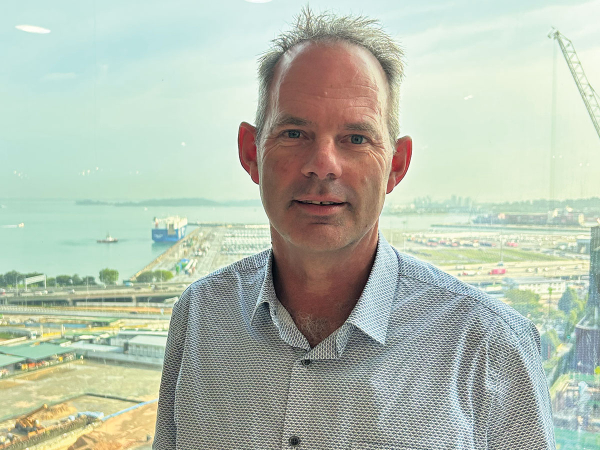 James Allen
A warning to dairy farmers not to expect the same good conditions that they experienced last season, has been issued by a leading farm consultant.
James Allen, chief executive of AgFirst told Dairy News that, broadly speaking, in the Waikato farmers grew and harvested an extra tonne of dry matter last year over the previous year.
He says it was a very good season, but points out that you'd be a brave person to expect this season to be the same.
Allen says supplementary feed reserves in the province are pretty good now.
"What we are saying to farmers though is to think about your feed requirements for the whole season and base it more on an average season, rather than what we had last season, and then try to make sure that you have the bulk of that supplement secured. It then comes down to thinking about marginal milk decisions later in the season," he says.
Allen says now is the time to maximise pasture quality and also cow intake to get to peak cow production. But again, he warns that leading into summer the math starts to change quite quickly.
Now he says it's about assessing the price of supplement and looking at the forecast milk price and looking to the future.
"What I am also saying is around pre-Christmas it's a case of reassessing about where you are at and looking at the soil moisture profile. That's because soil moisture at the 1st of December is a really good early warning indicator of whether or not there are problems on the horizon," he says.
Allen says it's about making those early decisions about whether more supplements may be required or maybe to cull early.
He says December 1 is a trigger date when farmers need a plan for making and executing some decisions early.
He says history tells us that the best way to deal with problems is to have a plan and make early decisions.
Allen says he's not surprised to hear that Canterbury and other parts of the east coast of the South Island are in the early stages of drought.
Chris Brandolino, principal scientist forecasting and media at Earth Sciences NZ, says already there are some worrying signs that are related to El Nino occurring ion the South Island.
He says some places in Canterbury are in what he describes as 'meteorological drought' and that there is a significant soil moisture deficit in many places.
Allen says he's heard that some farmers have been irrigating well into May and June - something he says is unheard of - and he agrees that east coast regions of both islands are high risk areas when it comes to drought.
He says he's aware that many parts of Canterbury have tight water restrictions and if the dry weather conditions and aquifers are not recharged, there is a problem.
In terms of El Nino, Allen says dairy farmers don't need to change what they are doing right now.
He says, after all, most have made a decision how many cows they're going to carry through the winter and peak milk.
Returning to the family dairy farm after playing 20 years of professional rugby around the world is no easy task.
A spate of southerly winds bringing cold temperatures has presented challenges for Taranaki dairy farmers.
Fonterra has revised its Farmgate Milk Price forecast for the 2026/27 season, lifting the midpoint and narrowing the range on the back of improving global dairy commodity prices.
Minister of Conservation Hon Tama Potaka has appointed Susan O'Regan as Chair of the Queen Elizabeth II National Trust (QEII) for a three-year term.
Bovine Viral Diarrhoea (BVD) is sometimes viewed as a dairy industry issue, but the reality is that the disease can have serious consequences for beef breeding herds as well.

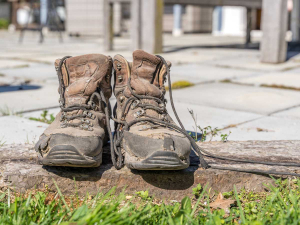
Safer Farms is urging farmers to make sure everyone working on farm has safe, suitable footwear for the job.
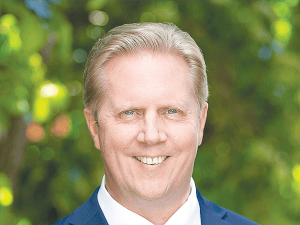
The Government is backing work on a community-led water storage scheme that could irrigate up to 11,000 more hectares of the Poverty Bay flats, Agriculture Minister Todd McClay says.
Agri-tech company Herd-i has become a new all-region sponsor of the New Zealand Dairy Industry Awards (NZDIA), the largest nationwide celebration of excellence in the dairy sector.
Four candidates have been confirmed for two director positions on Fonterra’s board.
Returning to the family dairy farm after playing 20 years of professional rugby around the world is no easy task.
After delivering another record farmgate milk price to 100 supplying farms, independent milk processor Tatua is entering thee new financial year with a positive outlook.

OPINION: It seems Canterbury processor Synlait is still in the doldrums.
OPINION: Get offside with New Zealand First leader Winston Peters at your own peril.




