
Editorial: Stay the Course
OPINION: The United States wine market has changed forever, and companies cannot use same old playbook, said Erin Kirschenmann at the New Zealand Wine 2026 Wine Business Forum in August.




 increase font size
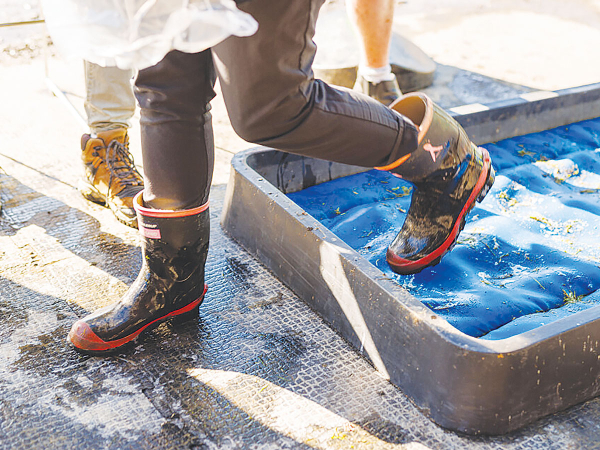 Industry leaders have ranked world-class biodiversity as the number one priority for the 16th year in a row.
According to new research, industry leaders have ranked world-class biodiversity as the number one priority for the 16th year in a row.
The KPMG Agribusiness Agenda, released last week, is the annual report assessing the state of the country’s food and fibre sector.
Once again, ‘world-class biosecurity’ topped the list of priorities for the year, with an average priority score of 9.40 – the highest reported for any priority since 2018.
According to KPMG, contributors recognised that the range of potential incursion threats is increasing as global connectivity grows and the climate changes.
“As a result, focus is on ensuring threat identification and management mechanisms are aligned with the risks faced today rather than the issues we have encountered in the past,” the report states.
According to the report, contributors expressed concern around over confidence in New Zealand’s ability to respond to a biosecurity incursion.
“It was highlighted that many of our most important export sectors are built on monocultures, making biosecurity a more significant risk to economic resilience than is often acknowledged.”
“Leaders noted that threat profiles are evolving, partly due to climate change, yet our approach to identification and response remains largely based on historic successes.”
Contributors said there was a need to ensure the industry is actively preparing for the next threat, rather than continuing to defend against past incursions.
The report says the use of data and analytics tools enabled better assessment of the true risk at each entry point and the ability to direct resources, new technology and intensive surveillance as appropriate.
“Contributors also highlighted the sector’s biosecurity incursion crisis response capabilities as a (thankfully) underutilised resource.
“With the increasing incidence of extreme weather events requiring emergency response, recognising and resourcing this capability could support faster and more targeted delivery of critical support into regional communities during future disruptions.”
Meanwhile, signing high quality trade agreements came in second, retaining its place in the top three priorities for the eighth year in a row.
“In a volatile global environment, it is no surprise that industry leaders continue to seek maximum market access, enabling them to pivot when the unexpected happens,” the report says.
It claims that contributors acknowledge the progress the Government has made on this issue in the past year, a period which saw the Comprehensive Economic Partnership with the United Arab Emirates (UAE) come into effect and progress made towards a free trade agreement with India.
OPINION: The United States wine market has changed forever, and companies cannot use same old playbook, said Erin Kirschenmann at the New Zealand Wine 2026 Wine Business Forum in August.
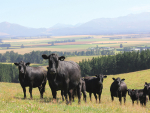
Bovine Viral Diarrhoea (BVD) is sometimes viewed as a dairy industry issue, but the reality is that the disease can have serious consequences for beef breeding herds as well.
Election years are always a concerning time for farmers, according to DairyNZ chair Tracy Brown.
Chinese beef trade quotas and a looming suspension of Brazilian beef imports into the European Union are expected to reshape global beef trade flows over the remainder of 2026, with implications for New Zealand exporters, according to Rabobank's Q3 Global Beef Quarterly report.
Testing confirms H5 bird flu in a single northern giant petrel, found dead on a remote Cape Palliser beach in the Wairarapa, says Dr Mary van Andel, the Ministry for Primary Industries' (MPI) Chief Veterinary Officer.


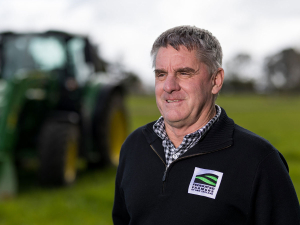
National’s pledge to introduce 19 new national standards shows the party is serious about getting Wellington out of farming, Federated Farmers says.
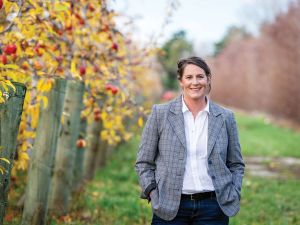
The National Party’s policies to make it easier to grow fresh vegetables, secure reliable water and energy and simplify farm planning are practical changes that will give growers the confidence to invest, according to Horticulture New Zealand (HortNZ).
Fonterra Co-operative Group chief financial officer Andrew Murray has resigned to take up a role outside the dairy giant.
A major move is about to get underway to improve the quality and viability of dairy beef and cattle in NZ.
Veterinarians say changes to the code of welfare for dairy cattle provides a positive foundation for improved cattle welfare across the country.
Today, 15 October, is the International Day of Rural Women, which recognises rural women’s contribution to farming, communities and the environment.

OPINION: The same mainstream media muppets that brought you Jacindamania in 2017 have been flat out pimping for the Opportunities…
OPINION: Your old mate reckons the atrocious way farmers in the UK are treated by their lords and masters in…




