
Another record milk price for Tatua suppliers
Independent Waikato milk processor Tatua has set another new record for conventional farmgate milk price paid to New Zealand farmers.
 increase font size
 Tatua Dairy chief executive Brendhan Greaney.
Tatua's milk pool may have fallen, but the co-op is still topping the payout stakes.
The co-op is in no hurry to grow its milk pool; last year it produced 14.7 million kgMS, about 1.8% down from the previous year.
Tatua this month released its annual results and once again the co-op topped the payout stakes, paying suppliers $8.10/kgMS after retaining 52c/kgms for reinvestment
Milk flow this season has been strong: July was down 1.7%, August 4.1% but September supply rose by 3.9%, October is also tracking very well and supply to date this season is up 2%.
Tatua exports 95% of its products; about 50% of exports are bulk ingredients (caseinates, whey protein concentrate and anhydrous milk fat) and the remaining 50% are value-added products like specialty nutritional ingredients and bionutrients.
Tatua Dairy chief executive, Brendhan Greaney says fat prices continue to hold up; with milk fat price paid in the US and Europe still higher than NZ prices there’s scope for further increases.
He says Tatua’s value-added business is growing well and it doesn’t rely on the milk curve. It gets enough milk to turn into bulk ingredients.
Tatua buys both dairy and non-dairy raw materials from NZ and overseas to batch them into specialised ingredients.
The co-op enjoys a good relationship with other NZ dairy processors.
Independent Waikato milk processor Tatua has set another new record for conventional farmgate milk price paid to New Zealand farmers.

OPINION: Earlier this month, small Waikato milk processor Tatua reminded the country that it’s still number one when it comes to paying farmers for their milk.
Waikato-based milk processor Tatua has announced a final 2023-24 season payout of $10.50/kgMS for its farmer shareholders, again topping the payout stakes among NZ milk processors.
OPINION: It's that time of the year again when milk processors announce their annual results and final milk payout for the previous season.
OPINION: How does Tatua do it, year in, year out?



Federated Farmers says the Government’s latest investment in road resilience is a positive step toward protecting rural communities and freight routes from increasing severe weather events.
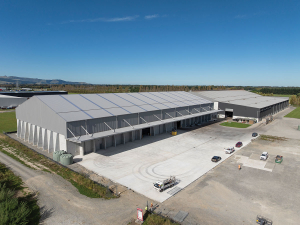
The stockfood storage capacity of J Swap Stockfoods continues to grow in the South Island with the opening of a new store that boosts its capacity in Christchurch and work starting on another store in Southland.
Fonterra has lifted and narrowed its full year forecast earnings range to 60-70 cents per share after a strong quarter, supported by robust milk production, strong shipment volumes and continued demand across its Ingredients and Foodservice businesses.
Fonterra has announced it will continue with the planned expansion of its organic business into the South Island.
New Zealand farmers have been told they all have amazing people on their farms and have been urged to be “that one person” that can make a huge difference to those going through tough times.
OPINION: For thousands of Southland farmers, this week would have tipped them into the non-compliant category when it comes to following regional freshwater plan rules. But the Government has stepped in to give them the clarity they deserve.