
Fonterra Lifts Milk Price to $9.50/kgMS for 2026/27
Fonterra has revised its Farmgate Milk Price forecast for the 2026/27 season, lifting the midpoint and narrowing the range on the back of improving global dairy commodity prices.




 increase font size
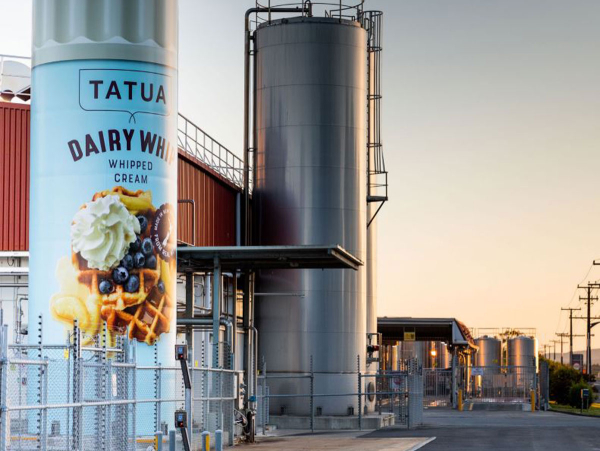 Tatua has announced a final 2023-24 season payout of $10.50/kgMS for its farmer shareholders.
Waikato-based milk processor Tatua has announced a final 2023-24 season payout of $10.50/kgMS for its farmer shareholders, again topping the payout stakes among NZ milk processors.
For year ending July 31, 2024, the co-op’s group income topped $497 million, with earnings available for payout of $184 million.
Overall earnings equated to $12.20/kgMS of shareholder supplied milksolids, before retentions for reinvestment. From this, Tatua confirmed a cash payout to shareholders of $10.50/kgMS and retained $1.70/kgMS , equivalent to $26 million before tax, for reinvestment in the business.
Fonterra has announced a final payout of $8.38/kgMS for last season – made up of $7.83/kgMS milk price and 55c dividend. Miraka has paid its suppliers $8 for last season’s milk, with some suppliers enjoying an extra 20c under its excellence programme. Synlait paid a base milk price is $7.83/kgMS for the 2023 / 2024 season. In addition, an average of $0.28 per kgMS was paid for incentives, taking the total average milk payment to $8.11/kgMS.
Tatua suppliers will receive over $2/kgMS more than other farmers in the country.
Tatua chairman Stephen Allen says the supply season had a challenging start, marked by a wet spring and limited sunshine hours which adversely affected pasture growth and quality, and therefore milk production.
Fortunately, the El Niño-induced drought that was forecast for later in the season didn’t eventuate, and instead, regular summer rainfall led to good late season pasture growth. This enabled production to be maintained, increasing full-season shareholder supply to 2.57% above the prior season.
Allen says normalisation of unprecedented high protein commodity prices of the prior year, in combination with prioritising available milksolids to value-add production, resulted in a substantial drop in revenue in its Bulk Ingredients division of caseinate, whey protein concentrate (WPC) and anhydrous milkfat (AMF).
“Pleasingly however, we were still able to achieve our second highest revenue ever, for what remains an important part of the business.
“The combined revenue from our more specialised Nutritionals, Foods, and Flavours divisions was our highest ever, reflecting our continued focus on developing these less commoditised product offerings.
“As usual when determining our payout, we have sought to balance the near-term needs of our shareholders’ farming businesses, with the requirement to continue investing for Tatua’s resilience and future prosperity.”
Tatua’s year-end gearing (debt divided by debt plus equity) increased to 23% from the prior year low of 16%, reflecting the funding impact of its current foods plant capacity expansion.
In addition to the sound financial result, good progress was made in many areas across the business, making for another very complete year, Allen points out.
“Along with our milk suppliers, our teams in New Zealand and our offshore subsidiaries have continued to demonstrate their capability and dedication to the business, contributing to everything that has been achieved.
“We extend our gratitude to our customers and all who have partnered with us and look forward to another productive year ahead.”
Fonterra has revised its Farmgate Milk Price forecast for the 2026/27 season, lifting the midpoint and narrowing the range on the back of improving global dairy commodity prices.

A 'tsunami' of milk from key exporting countries is winding down and this may be good news for New Zealand dairy farmers.
Most dairy regions around the country have had a pretty good season so far says Tracy Brown.
Tatua chair Stephen Allen says he leaves the co-op with a deep sense of gratitude for the people who have contributed to its success.
Tatua Co-operative Dairy Company has confirmed that chair and director Stephen Allen will retire at the co-operative's annual general meeting (AGM) on 3 December 2026, ending 30 years of service, including more than 20 years as Chair.



Federated Farmers says new legislation replacing the Resource Management Act will cut red tape, unlock investment and help grow New Zealand's export-led economy, after the Planning Bill and Natural Environment Bill passed their third reading in Parliament yesterday.

Leading figures from the major political parties will be questioned on their primary sector policies at the Rural Issues Debate at Mystery Creek Events Centre, Hamilton, on 30 September.
OPINION: Have a plan in place now!
Beef + Lamb New Zealand (B+LNZ) says it welcomes the passage of the Natural Environment Bill and Planning Bill, calling the bills a positive step for sheep and beef farmers.
A spate of southerly winds bringing cold temperatures has presented challenges for Taranaki dairy farmers.
Converting a longstanding cropping farm to dairy was the only way to ensure the land stayed in the family long term, says new dairy farmer Rod May.





OPINION: The same mainstream media muppets that brought you Jacindamania in 2017 have been flat out pimping for the Opportunities…
OPINION: Your old mate reckons the atrocious way farmers in the UK are treated by their lords and masters in…




