Super El Niño Raises Odds of Dry, Windy Growing Season
With a very strong El Niño increasing the odds of a dry and windy winegrowing season in New Zealand’s eastern regions, the industry should take measures to prepare.
 increase font size
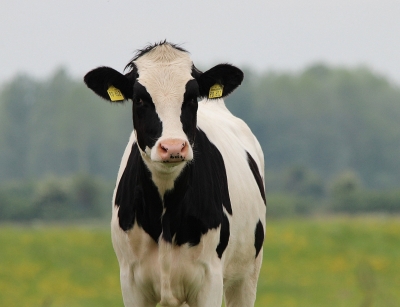 The NZ Veterinary Association and the Ministry for Primary Industries are warning farmers to be even more alert for facial eczema with the forecasted strong El Nino conditions.
The NZ Veterinary Association and the Ministry for Primary Industries are warning farmers to be even more alert for facial eczema with the forecasted strong El Nino conditions.
During El Nino New Zealand tends to experience stronger or more frequent winds from the west in summer, leading to drier conditions in the north and east, and more rain in the west.
With rises in humidity, the risk of facial eczema also increases along with the risk of a decline in milk production in dairy herds. For dairy cows, beef cattle, sheep, deer and goats, the disease also damages livers, affects bile ducts and causes sensitivity to sunlight.
Taking preventative measures now, rather than waiting for spore counts to rise, is recommended with zinc treatment starting two to three weeks before the spore growth danger period for maximum protection.
Fungal spores growing in pasture – especially fresh, new grass, are the root cause and spore counts increase where grass temperatures are above 12°C for three consecutive nights. Counts can vary from farm to farm and even between paddocks.
SealesWinslow animal nutrition expert, Jackie Aveling, says dairy farmers especially should adopt a prevention strategy to protect production of valuable milk solids given the low payout year.
"When conditions are ideal for grass growth – such as warm, wet weather – they are also ideal for facial eczema. It's also disease which is hard to detect in its early stages, so all too often farmers are not aware it has taken hold until it's too late. That's why a prevention strategy is as important as the disease can cause production losses of up to 50% if it goes unchecked."
Zinc treatment from late December through to May is commonly used to help prevent facial eczema. However dosing troughs with zinc sulphate doesn't always deliver the best results since the bitter taste puts herds off the water.
The alternative is Zincmax+, a combination facial eczema treatment with Agricultural Compounds and Veterinary Medicines (ACVM) registration.
"Its peppermint taste makes it palatable and it includes organic copper. The taste helps ensure herds keep up their water consumption, which is important given their needs can exceed 100 litres at this time of year," says Aveling.
The organic copper helps offset zinc's antagonistic affect which reduces the absorption of this important trace element. Copper is important for production, immune response and also cycling ahead of breeding. Low copper levels can also affect growth and fertility in heifers.
Symptoms
· The first sign of FE is a drop in milk production occurring soon after the intake of toxic spores (subclinical FE).
· Cows are restless at milking time, seek shade, and lick their udder.
· Another drop in production occurs when physical symptoms (clinical FE) become obvious.
· Check unpigmented or thin skin which thickens and peels because of sun sensitivity.
With a very strong El Niño increasing the odds of a dry and windy winegrowing season in New Zealand’s eastern regions, the industry should take measures to prepare.
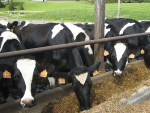
Veterinarians say changes to the code of welfare for dairy cattle provides a positive foundation for improved cattle welfare across the country.
Hawke's Bay fruit growers are being reminded of the need to prepare for whatever the El Niño weather system may bring in the coming months.
Westpac NZ is calling on farmers and growers to start preparing now for the possibility of a dry summer, as likely El Niño conditions raise the risk of drought across parts of the country.
OPINION: Have a plan in place now!



Federated Farmers has welcomed new rural policies released by ACT, saying they align closely with its own election priorities.

Rural Contractors NZ says proposed changes to land transport rules for agricultural vehicles are a welcome response by the Government to out of date regulations which have seen members hit with huge fines.
Alliance is calling for final applications for its 2027 Graduate Programme, with applications closing on Sunday 25 October.
Decades piloting planes has ensured vet and farmer David Hayes is focused on safety. So, after a serious accident while welding on farm, he is sharing his experience so others can learn from it.
Canterbury milk processor, Synlait Milk has confirmed Leon Fung as its chief executive officer.
OPINION: Making it easier to collect rainwater and use it to grow crops and livestock is a no brainer.