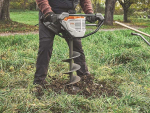
Farmers Warned Over Track Dangers After Wairarapa Floods
The terrible floods that hit the Wairarapa may have subsided, but the danger to farmers still exists, according to local Federated Farmers president Rob Hickson.
 increase font size
 New Zealand Young Farmers chief executive Lynda Coppersmith.
Rural Support Trust (RST) and New Zealand Young Farmers (NZYF) have agreed to work together in supporting rural communities.
A memorandum of understanding (MOU) signed recently commits both organisations to work together to leverage their respective strengths and expertise.
In a statement, the organisations said the partnership has several objectives:
The organisations say this MOU marks a significant step forward in addressing the mental health challenges faced by young people in the agriculture and rural sectors. Both organisations are “deeply committed to the well-being of young individuals in these industries and recognise the importance of working together to achieve positive outcomes”.
NZYF chief executive Lynda Coppersmith believes that by combining efforts with Rural Support Trust they can make a meaningful impact on the lives of young people working and training in the food and fibre sector.
“This collaboration aligns perfectly with our mission to support and empower the next generation.”
RST’s general manager Maria Shanks says they are delighted to partner with New Zealand Young Farmers in this important endeavour.
“Our shared commitment to improving mental health and wellbeing in rural communities makes this partnership a natural fit, and we look forward to the positive outcomes it will bring.”
The terrible floods that hit the Wairarapa may have subsided, but the danger to farmers still exists, according to local Federated Farmers president Rob Hickson.

New Zealand’s rural sector has once again demonstrated its generosity, with the second Rural Industry Leaders Dinner, Debate and Auction raising an impressive $400,000 for the Rural Support Trust.
The Rural Support Trust is hosting a series of community wellbeing events featuring former NZSAS soldier and Victoria Cross recipient Willie Apiata.
New Zealand Young Farmers (NZYF) has launched a new initiative designed to make it easier for employers to support their young team members by covering their NZYF membership.
Rural Support Waikato is inviting farmers, growers, and rural communities to take a well-earned break and join us for 'Brunch on Us' - a series of all-sector, relaxed drop-in events across the region.


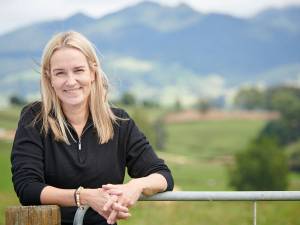
Minister of Conservation Hon Tama Potaka has appointed Susan O'Regan as Chair of the Queen Elizabeth II National Trust (QEII) for a three-year term.
Red meat farmers are welcoming Labour’s plan to review the Emissions Trading Scheme and not to campaign on pricing agricultural emissions.
Where any worker in the kiwifruit industry is mistreated, we expect the authorities to take action.
Mid Canterbury Federated Farmers arable chair, Bevan Lill, said Beef + Lamb NZ data indicated that for the last six years, the average arable return on investment was about 0.8% while inflation ran about 4% - so the average arable farm was going backwards at about 3% a year.
Seed and grain companies share the concerns of arable farmers about the viability of their sector, says Seed and Grain New Zealand chief executive Dr Sarah Clark.
The New Zealand Institute of Forestry (NZIF) says unnecessary changes to New Zealand’s Emissions Trading Scheme (NZ ETS) will seriously erode investor confidence and result in significant reductions in forest planting rates.