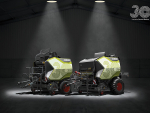
Claas Balers Turn 30
Claas built its first variable chamber round baler - the Variant 100 - in 1996, so 2026 marks 30 years and the fifth generation of the Variant name, recently complemented by the new Cerex Series introduced in 2025.
 increase font size
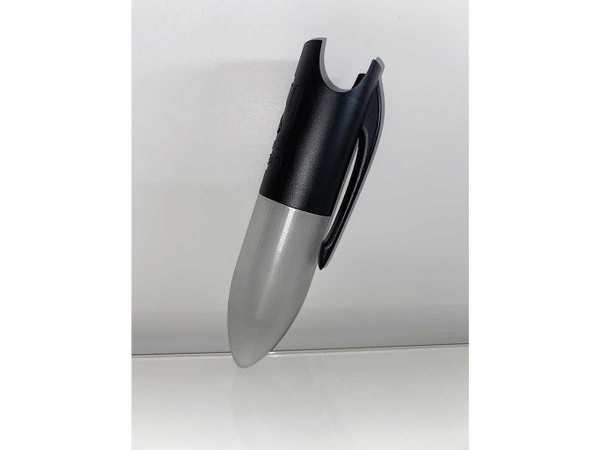 Sterineedle holster
While most of the exhibitors at the recent National Fieldays Innovations Hub seemed to be taking a high-tech approach, two standouts offering practical on-farm solutions were taking a much simpler approach.
Once again, students from St Pauls Collegiate School in Hamilton had come up with a good idea; in this case, Jade Luxton and Ben Allen, both Year 13 students and co-founders of Sterineedle.
Designed as a holster for needle-based vaccination guns, the plastic moulded device incorporates an integral reservoir to house a disinfectant solution to sterilise the injection needle each time the gun is replaced in the holster. This helps ensure that vaccinating a large mob is quicker, easier and safer, while removing the risk of disease transfer and the need to constantly change needles.
The clever duo came up with the idea when Ben’s grandfather, Linden Hunt, raised the issue of the tedious task of constantly changing needles or finding a way to disinfect them while velveting. Looking at the problem more closely, the team soon found there didn’t appear to a solution to sterilising needles in the marketplace. This led to collaboration with Hamilton-based DEA Plastics, who already operated in this field.
Suitable for all types of farming operations and for veterinarians, Sterineedle incorporates an integral clip for belt mounting, but could just as easily be mounted to a race or cattle crush for convenience. For more info, contact This email address is being protected from spambots. You need JavaScript enabled to view it..
Further north at Waipapa in Northland, Precast Products Limited were showcasing their Paddock Podium.
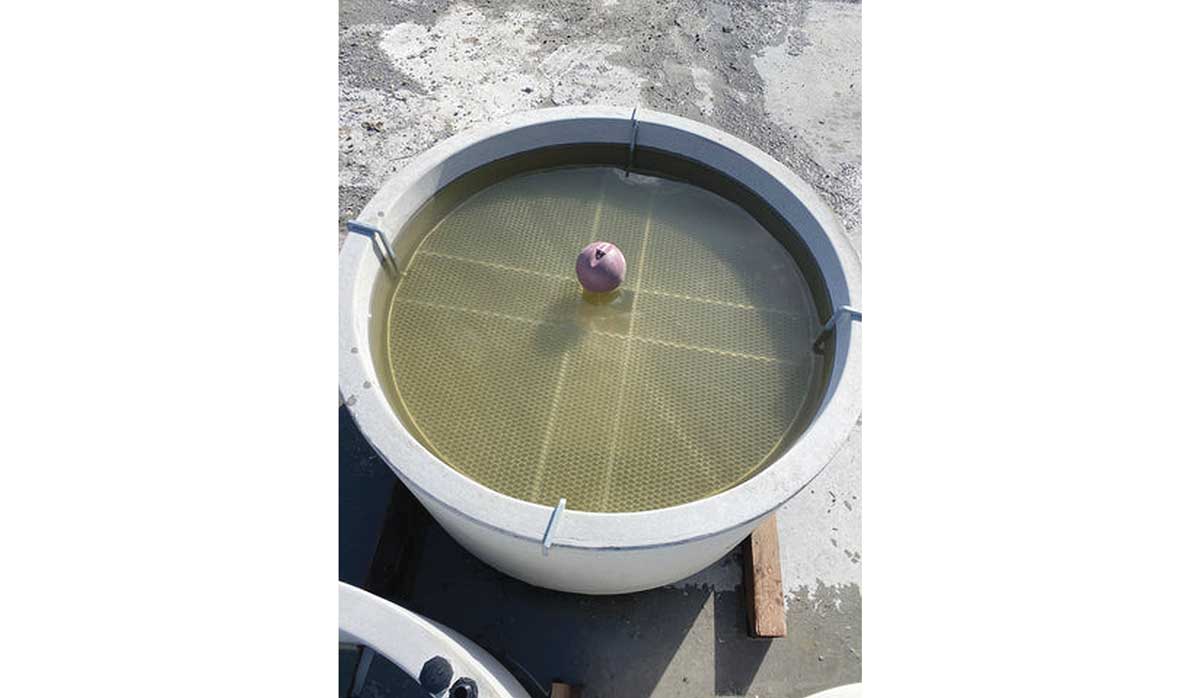
Brought about by numerous conversations with beef and sheep farmers regarding livestock drownings in large concrete water troughs, the device takes the form of a galvanised steel grid that is attached to the trough with four hooks and sits about 200mm below the waterline. This allows free access to water, while also allowing a ball valve to function properly, but always keeps livestock safe.
Justin suggests that the device might be of particular interest to sheep farmers, as lambs typically love to climb to the highest point, so might jump up onto the rim of a water trough, then might fall into an unprotected trough, from which they are unable to escape. Jason also suggests that the device is easily moved from paddock to paddock as the mob is moved for grazing, meaning capital investment is kept to a minimum.
 |
|---|
|
Paddock podium |
The device is currently configured to fit the company’s own 500 litre troughs at $857+gst, but can also be manufactured to suit other sizes, configurations or brands of trough. Ongoing R&D is currently looking at replacing the metal grids with recycled plastic items.
Claas built its first variable chamber round baler - the Variant 100 - in 1996, so 2026 marks 30 years and the fifth generation of the Variant name, recently complemented by the new Cerex Series introduced in 2025.
Distributed in New Zealand by OriginAg and supported by its nationwide dealer network, the Italian-built Alpego brand offers an extensive range of solutions including power harrows, rotary hoes, mulchers and subsoilers.
John Deere is introducing its 500R self-propelled sprayer to the NZ market, offering small-grain growers a new option designed for precise application, operator comfort and efficient field performance.
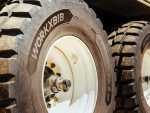
Global tyre manufacturer Michelin has extended its agricultural trailer tyre range, with the introduction of its new WorkxBib series, designed for tipping trailers, slurry tankers and manure spreaders.
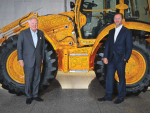
Following the record-breaking success of its hydrogen-powered Hydromax, JCB is ramping up its investment in the business, key to the first major change at the executive level of the business, with George Bamford stepping up to the post of joint chairman, alongside his father Lord Bamford.

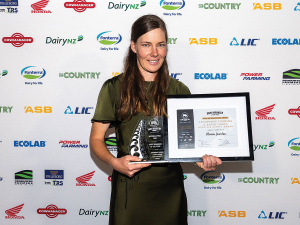
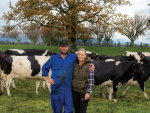
When dairy manager Miriam Lauridsen learned the farm, she was joining held weekly health and safety meetings, she initially thought that was “a bit over the top”. Experiencing that culture changed her mind.
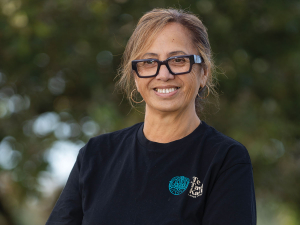
Nominations are open for the 2027 Fonterra Dairy Woman of the Year Award.
Keeping up with pasture moisture demands is likely to be the key challenge for dairy farmers during this season’s El Niño weather pattern, says Blue Skies Weather & Climate Services meteorologist Tony Trewinnard.
Farmers have until the end of this week to help shape DairyNZ’s future focus.
Wayne McNee, chief executive of AgriZeroNZ, has resigned and will leave the organisation on 15 January 2027.
The New Zealand dairy sector set a record in the 2025/26 season, producing more than two billion kilograms of milksolids for the first time.