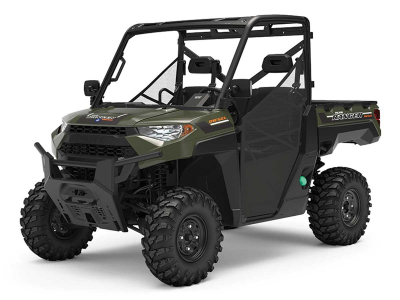
Released in June 2019, the new Polaris Ranger Diesel results from two years R&D including customers, dealers, technicians and engineers.
To understand a ‘day in a life of a Polaris’, engineers instrumented vehicles in New Zealand to collect data towards the specification of the new Ranger Diesel and to help them focus on improvements.
The Ranger Diesel is powered by a new 24hp diesel engine with a new, higher intake and filtration system at the vehicle’s front.
The complete driveline is sealed, with new bearings, bushings and a new heavy duty steering rack system. The drive shaft is a 2-piece CV sealed system for longer life, while mudguards are added to exclude dirt, mud and water from sensitive areas of the one-piece chassis.
Ground clearance is increased by 20% to 33cm, allowing the machine to tackle tougher terrain. Towing capacity is rated 1134kg, load bed capacity is 435kg there’s a 13% better turning radius.
As part of the new Ranger, accessory numbers exceed 200 available for this model: 30% are new and 70% are a carryover from previous models. A new electrical buss bar under the hood adds the ease of plug and play for many of those accessories.
The Ranger Diesel retains hallmark features like on-demand all wheel drive, EPS, engine braking and active descent control.
New styling includes a digital gauge positioned directly in front of the driver, the new seat has 2.5cm thicker padding and storage areas in the cab are improved by 17%.
Deep storage bins take your gear, there are two gloveboxes and six cupholders, and a flip up passenger seat give space for dogs, animals and buckets inside the vehicle.
www.polarisnewzealand.com