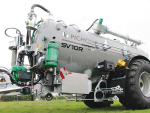
Pichon Adds SV10R and SV14 to SV Slurry Tanker Range
French manufacturer Pichon has expanded its SV slurry tanker range with the launch of two new models.
 increase font size
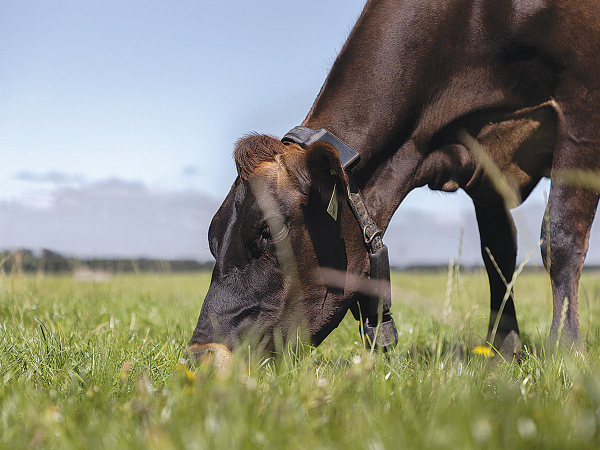 Halter claims its collars have been a massive stress reliever, especially during the Covid restrictions.
Solar-powered smart cow collar manufacturer Halter claims it will help combat the country's acute labour shortage when it expands into Taranaki, Southland, Otago and the Central Plateau next month.
The company says its growth is in response to significant demand from the industry, and comes off the back of its successful launch into Canterbury late last year.
Despite eased border restrictions and changes to the class exception scheme, demand for workers continues.
In January, the industry predicted it would be short of between 4,000 and 6,000 workers this year alone.
The company says smart solutions like its collar, which it says can save farmers up to 20-40 hours a week, will relieve some of the unrelenting pressure to recruit.
"It means owner-operators can effectively and sustainably run small farms single-handedly, and on bigger stations, it offers farmers the opportunity to operate at a higher level."
The GPS-enabled collars enable farmers to automate herd movements, reducing on-farm workload.
Halter business development manage Steve Crowhurst says the collars have been a massive stress reliever, especially during the red setting of the Covid-19 Protection Framework.
"We've been able to support farmers to run 750-cow, 3-mob farms with just two people, and still manage to maintain normal output and sustainable hours."
Jo Sheridan, the demonstration manager at Owl Farm - a 160ha dairy farm, a joint venture between St Peter's School Cambridge and Lincoln University, says the product has reduced hours, and allowed the entire team to see everything that's happening on the farm.
"By no longer needing two people milking and getting cows in we have more options to carry out other work on farm and offer flexible, sustainable time off."
On larger farms like Canterbury's Craigmore Group, one of the largest corporate farming operations in the country, it means they can offer farmers an improved work-life balance without compromising on production.
The current industy benchmark states one full-time worker is required for every 173 cows, but Craigmore is now able to manage 260 cows per full-time worker, all with sustainable hours. Matt Redmond, farm business manager on a 147ha, 520 cow Craigmore farm in the Culverden Basin, North Canterbury, says the company adopted Halter because they're passionate about sustainability and worker welfare.
"We've been able to offer staff a better working life. Rather than spending hours sitting behind cows, our workers can spend more time on high-value management and big picture tasks."
He says the cows are also calme without having the noise and pressure of a motorbike and dogs behind them.
French manufacturer Pichon has expanded its SV slurry tanker range with the launch of two new models.
Recently revealed, Krone’s new Series Six, BiG Pack Plus and Pro balers are designed to use standardised components, interfaces, and control concepts, including pick-up, knotter systems and user interfaces.
Consuming around six years and more than 35,000 hours of physical and digital testing, the new sixth-generation Valtra T Series is being described as the most significant new release in the company’s history.
Strautmann has introduced a new Hay Edition auger for its Verti-Mix feed mixer wagons, aimed at operators using rations with larger proportions of hay or other long-fibre materials.
High country stations, mixed sheep and beef farms, Māori-owned farms, corporates and family operations are among the nine commercial farms taking part in the Livestock Innovation Farming Transformation programme, known as LIFT.


National’s pledge to introduce 19 new national standards shows the party is serious about getting Wellington out of farming, Federated Farmers says.
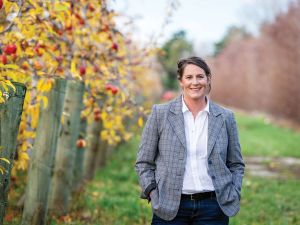
The National Party’s policies to make it easier to grow fresh vegetables, secure reliable water and energy and simplify farm planning are practical changes that will give growers the confidence to invest, according to Horticulture New Zealand (HortNZ).
Fonterra Co-operative Group chief financial officer Andrew Murray has resigned to take up a role outside the dairy giant.
A major move is about to get underway to improve the quality and viability of dairy beef and cattle in NZ.
Veterinarians say changes to the code of welfare for dairy cattle provides a positive foundation for improved cattle welfare across the country.
Today, 15 October, is the International Day of Rural Women, which recognises rural women’s contribution to farming, communities and the environment.